 Starvard.VolverStarvard.Volver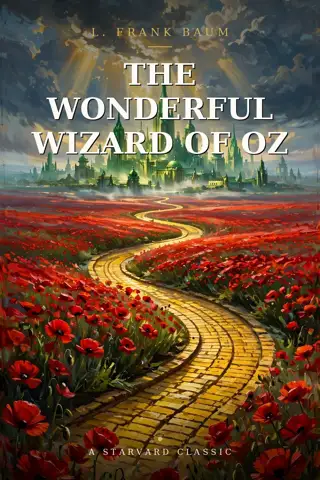
Starvard · The Masters Library

Hola, me llamo Finn y voy a ayudarte a entender este libro.
Aquí está, explicado como si tuvieras 10 años:
Un tornado deja caer la casa de Dorothy en la tierra de Oz, y ella sigue un camino de ladrillos amarillos para pedirle a un gran mago que la ayude a volver a Kansas. En el camino recoge a un espantapájaros que quiere un cerebro, un hombre de hojalata que quiere un corazón y un león que quiere valor, y los tres ya tienen más de esas cosas de lo que creen.
El libro completo se lee en inglés. Aquí tienes todos los capítulos:
Descargar el libro en PDF (inglés)
Folklore, legends, myths and fairy tales have followed childhood through the ages, for every healthy youngster has a wholesome and instinctive love for stories fantastic, marvelous and manifestly unreal. The winged fairies of Grimm and Andersen have brought more happiness to childish hearts than all other human creations.
Yet the old time fairy tale, having served for generations, may now be classed as “historical” in the children’s library; for the time has come for a series of newer “wonder tales” in which the stereotyped genie, dwarf and fairy are eliminated, together with all the horrible and bloodcurdling incidents devised by their authors to point a fearsome moral to each tale. Modern education includes morality; therefore the modern child seeks only entertainment in its wonder tales and gladly dispenses with all disagreeable incident.
Having this thought in mind, the story of The Wonderful Wizard of Oz was written solely to please children of today. It aspires to being a modernized fairy tale, in which the wonderment and joy are retained and the heartaches and nightmares are left out.
L. Frank Baum
Chicago, April, 1900.