Starvard Field Guide
Dinosaurs
Ten giants (and two little ones) from the age of reptiles, in big beautiful pictures, with the facts that matter.
Dinosaurs ruled the land for more than 160 million years, far longer than humans have existed. Everything on this page was rebuilt from fossils by artists working with scientists. The bones and muscles come from real evidence. The colors are educated guesses, and honest ones: nobody has ever seen a living dinosaur, except the ones that still fly past your window. Birds are dinosaurs too.
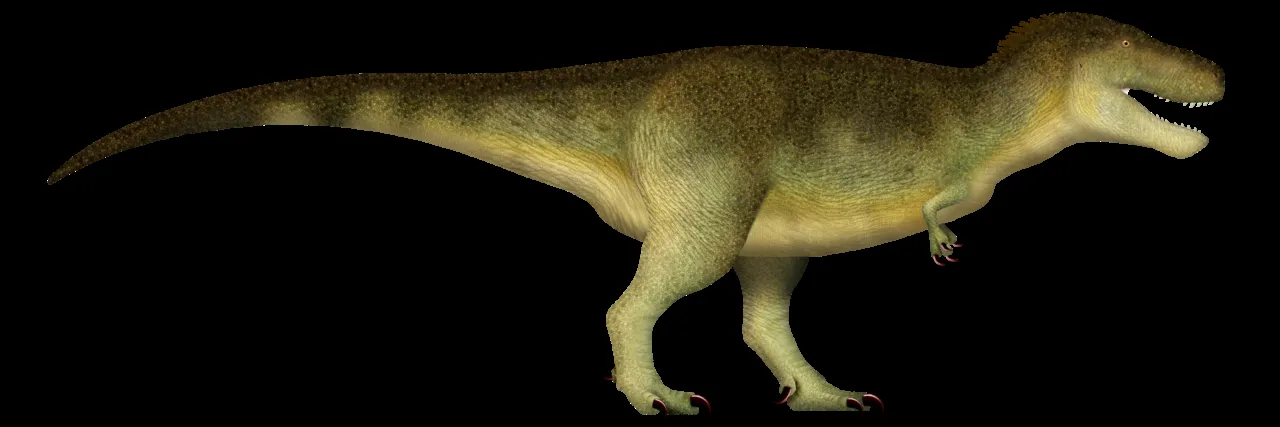
Tyrannosaurus rex
“tyrant lizard king”
Lived: Late Cretaceous, 68 to 66 million years agoSize: About 12 m (40 ft) longAte: Meat eater
The most famous dinosaur of all, and the star of the Smithsonian fossil hall. Its bite was one of the strongest of any land animal ever, strong enough to crush bone. For all that power, its arms were tiny, with just two fingers each.
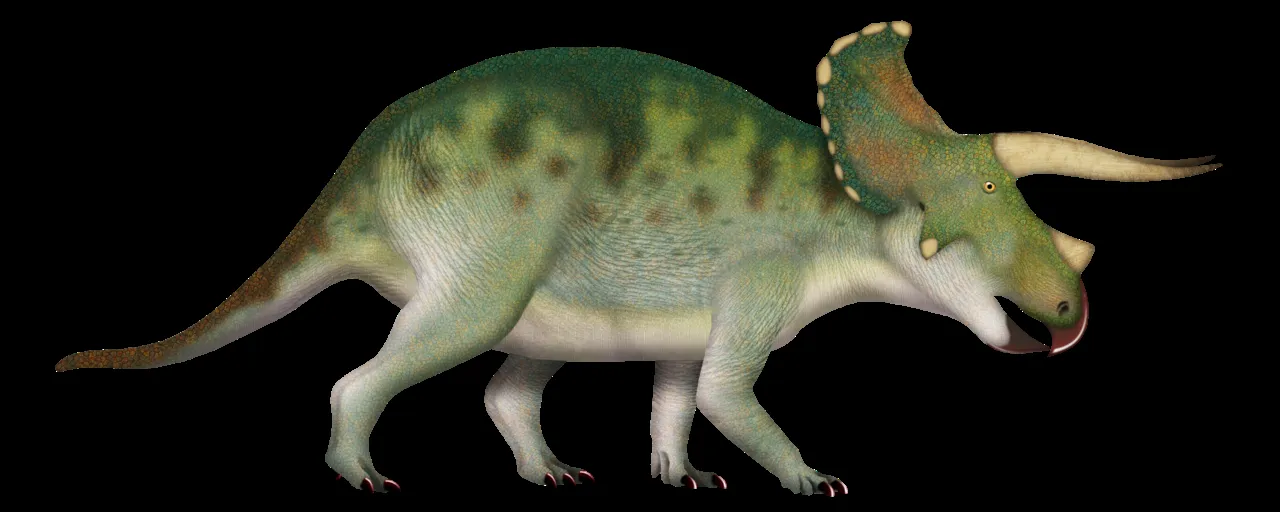
Triceratops
“three-horned face”
Lived: Late Cretaceous, 68 to 66 million years agoSize: About 9 m (30 ft) longAte: Plant eater
A giant shield of bone protected its neck, and three horns guarded its face. Its mouth ended in a sharp beak like a parrot, perfect for snipping tough plants. T. rex and Triceratops fossils are often found in the same rocks, hunter and hunted together.
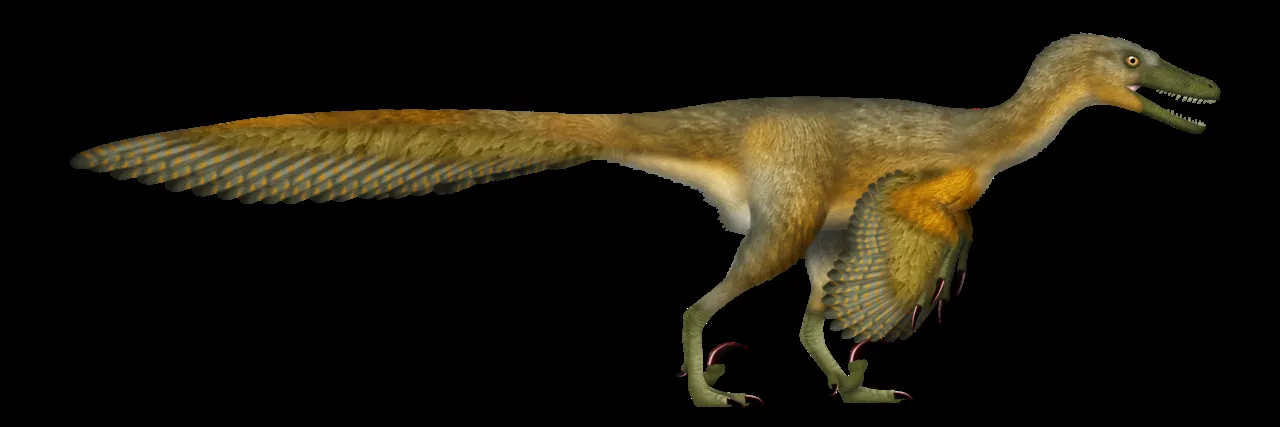
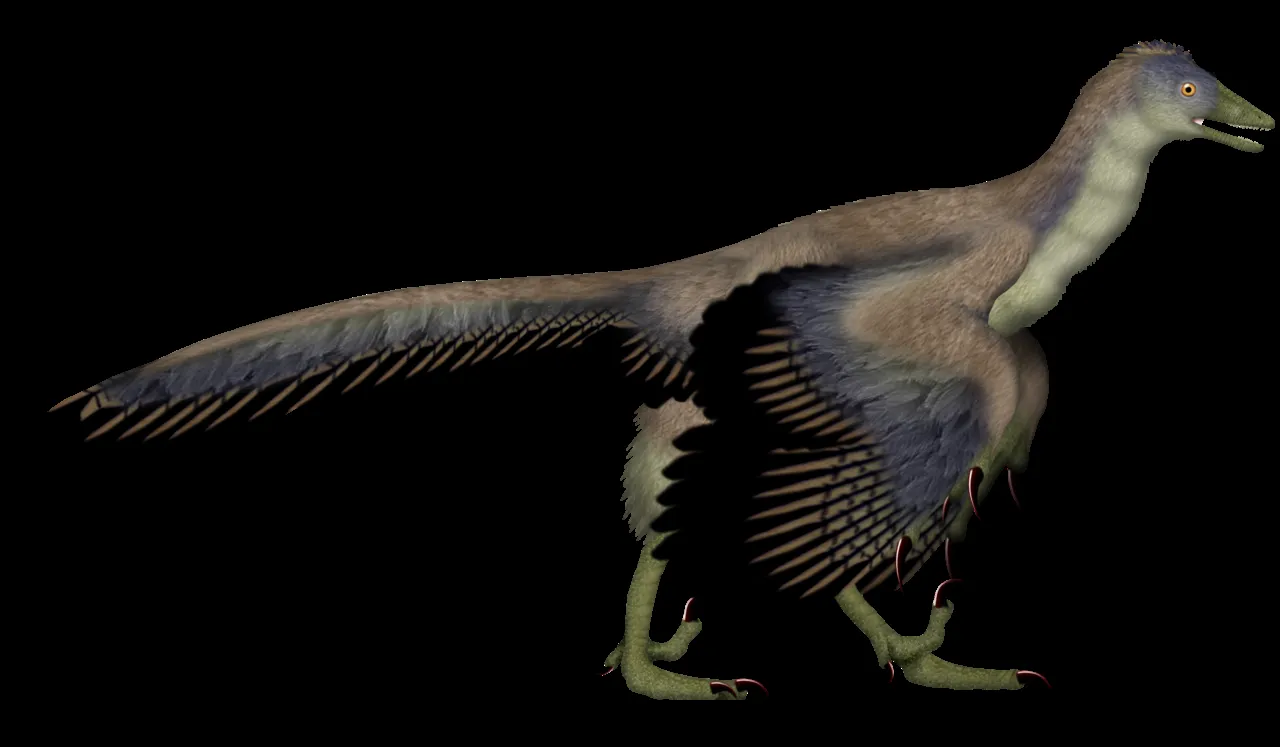
Velociraptor
“swift thief”
Lived: Late Cretaceous, about 75 million years agoSize: About 2 m (6.5 ft) long, turkey sizedAte: Meat eater
The movie monster was oversized. A real Velociraptor stood about as tall as a turkey, and it wore feathers. Its weapon was a curved, switchblade claw on each foot, kept sharp and raised off the ground as it walked.
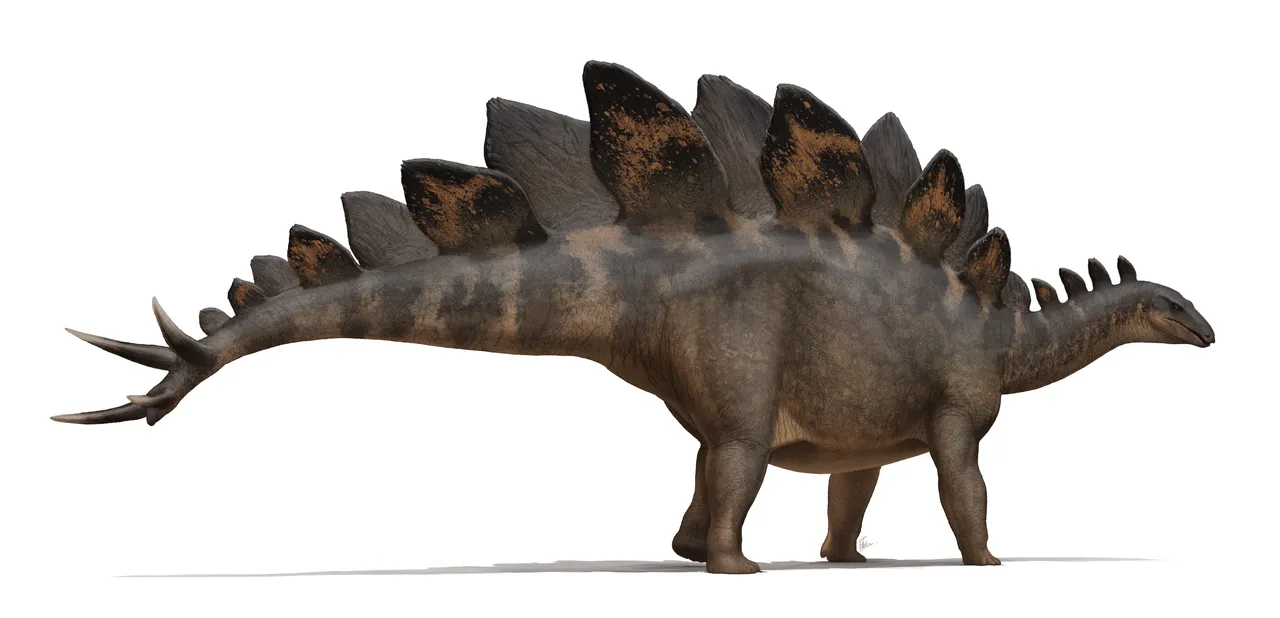
Stegosaurus
“roof lizard”
Lived: Late Jurassic, about 152 million years agoSize: About 9 m (30 ft) longAte: Plant eater
Two rows of bony plates stood along its back, and four spikes armed its tail (scientists really do call the tail spikes a thagomizer, after a cartoon). For an animal the size of a bus, its brain was famously small.
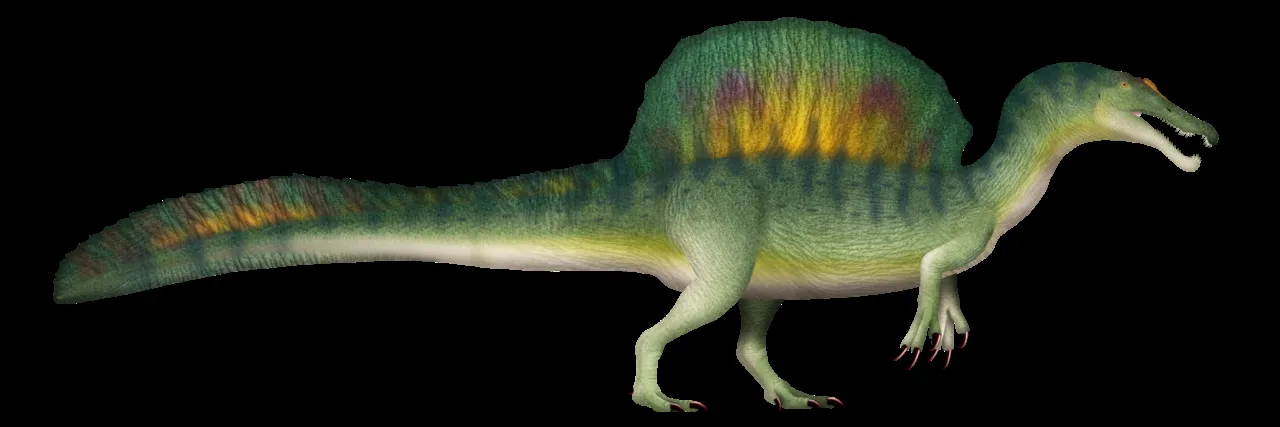
Spinosaurus
“spine lizard”
Lived: Mid Cretaceous, about 95 million years agoSize: About 14 m (46 ft) longAte: Fish and meat eater
The longest meat eating dinosaur we know, and the strangest. A huge sail rose from its back, its jaws were shaped like a crocodile, and it hunted in the rivers of North Africa, more at home in the water than any giant predator since.
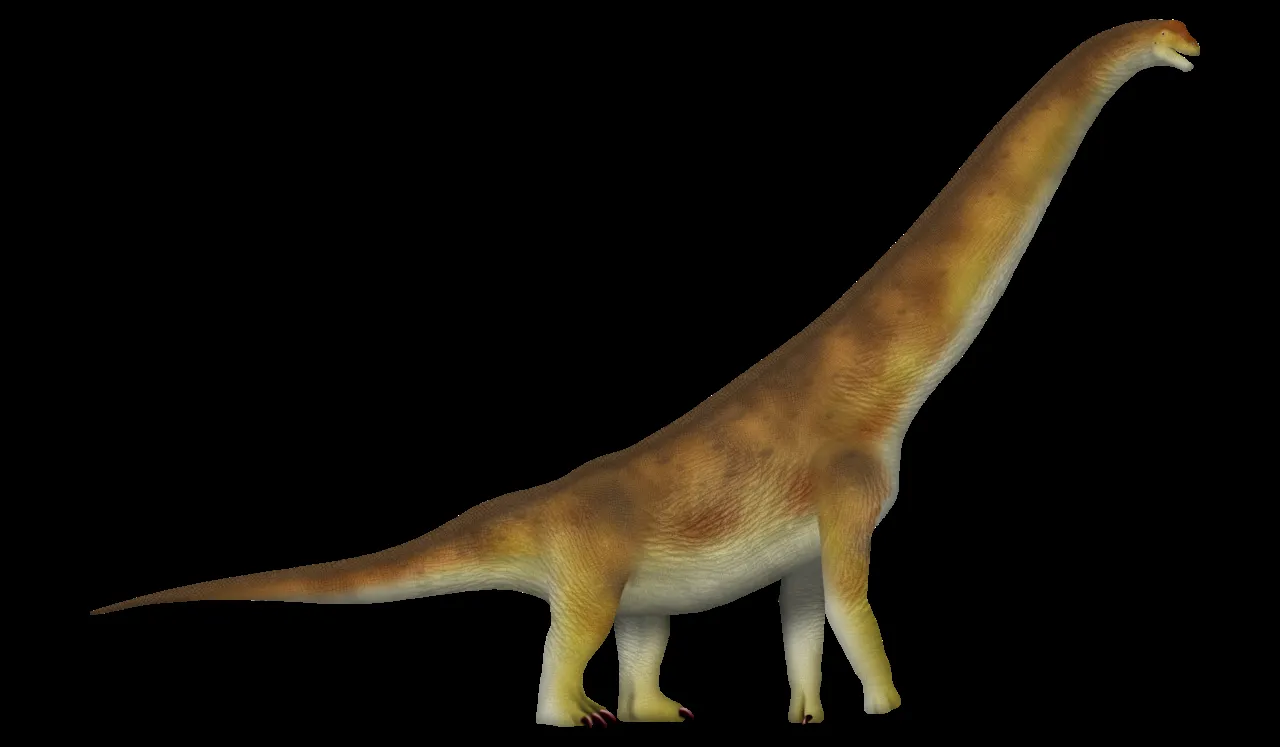
Brachiosaurus
“arm lizard”
Lived: Late Jurassic, about 154 million years agoSize: About 22 m (72 ft) longAte: Plant eater
Most long necked dinosaurs held their heads level with their backs. Brachiosaurus stood tall instead, because its front legs were longer than its back legs, lifting its head high into the treetops like a giraffe.
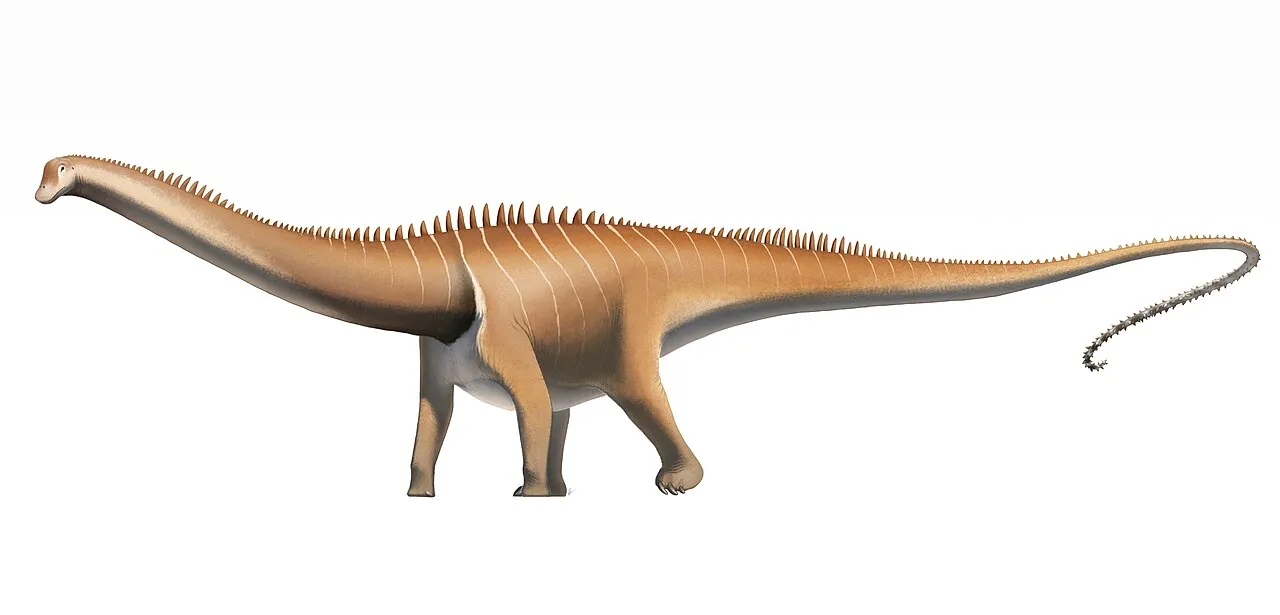
Diplodocus
“double beam”
Lived: Late Jurassic, about 152 million years agoSize: About 26 m (85 ft) longAte: Plant eater
One of the longest animals ever to walk the Earth, with a tail like a whip that may have cracked like a bullwhip. A famous Diplodocus skeleton nicknamed Dippy has been copied and displayed in museums all over the world.
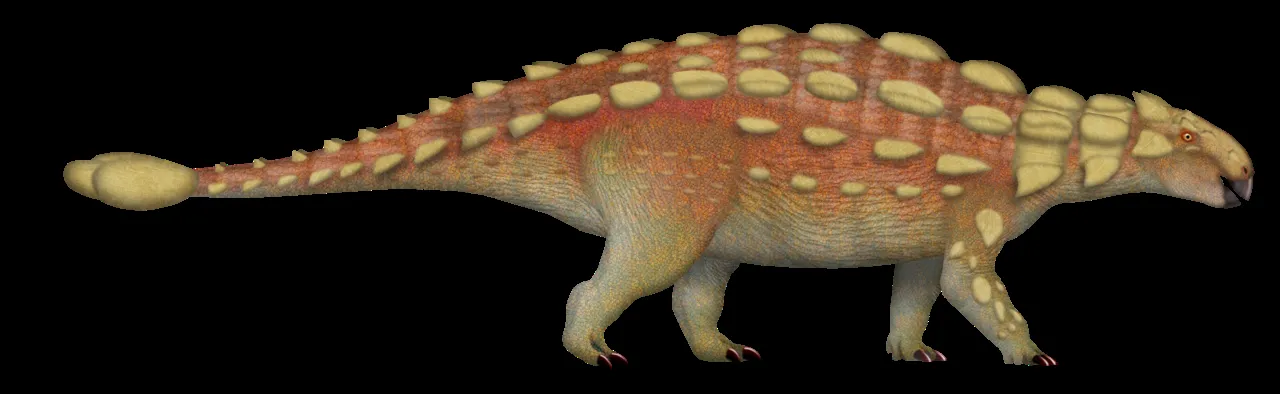
Ankylosaurus
“fused lizard”
Lived: Late Cretaceous, 68 to 66 million years agoSize: About 8 m (26 ft) longAte: Plant eater
A living tank. Bony plates armored its back, its eyelids were bone, and its tail ended in a heavy club that could swing with bone breaking force. Even T. rex had to think twice.
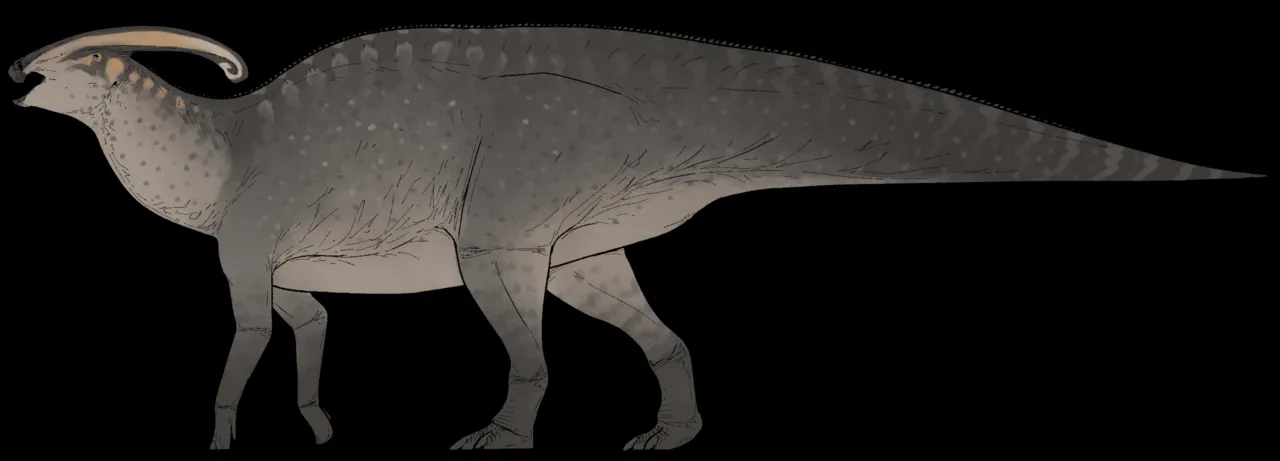
Parasaurolophus
“beside the crested lizard”
Lived: Late Cretaceous, about 76 million years agoSize: About 9.5 m (31 ft) longAte: Plant eater
The long tube on its head was a built in trumpet. Air pushed through the crest could sound deep, carrying notes across the herd. It walked on four legs and could rear up on two to reach higher leaves.
Archaeopteryx
“ancient wing”
Lived: Late Jurassic, about 150 million years agoSize: About 0.5 m (1.6 ft), raven sizedAte: Small meat eater
Half dinosaur, half bird, and the fossil that changed science. It had flight feathers and wings, but also teeth, clawed fingers, and a long bony tail. Birds are living dinosaurs, and Archaeopteryx is the bridge that shows it.
See them in 3D
These are the real thing: museum scans of actual fossils and famous statues, free to spin in your browser. Some can even be downloaded and 3D printed.
Smithsonian 3DThe national museum's own scans, including the Nation's T. rex and Triceratops skulls. Rotate them, download them, print them. Public domain.
Fossil Scans: Dinosaurs, on SketchfabReal dinosaur bones scanned one by one: Triceratops braincases, Spinosaurus vertebrae, hadrosaur jaws, and more from the Hell Creek rocks.
Crystal Palace Dinosaurs, Historic EnglandThe world's first dinosaur statues, built in London in the 1850s, scanned in 3D. Science has moved on since then, and spotting what they got wrong is half the fun.
One honest note: the flying reptiles (pterosaurs) and the great sea reptiles (ichthyosaurs, plesiosaurs, mosasaurs) were not dinosaurs, however often they share the toy box. Dinosaurs are a specific family of land reptiles, and every animal on this page is a true member.
Picture credits: Tyrannosaurus rex: TotalDino, CC BY-SA 4.0, via Wikimedia Commons · Triceratops: TotalDino, CC BY 4.0, via Wikimedia Commons · Stegosaurus: Fred Wierum, CC BY-SA 4.0, via Wikimedia Commons · Brachiosaurus: TotalDino, CC BY-SA 4.0, via Wikimedia Commons · Diplodocus: Fred Wierum, CC BY-SA 4.0, via Wikimedia Commons · Velociraptor: TotalDino, CC BY 4.0, via Wikimedia Commons · Ankylosaurus: TotalDino, CC BY 4.0, via Wikimedia Commons · Spinosaurus: TotalDino, CC BY 4.0, via Wikimedia Commons · Parasaurolophus: Connor Ashbridge, CC BY-SA 4.0, via Wikimedia Commons · Archaeopteryx: TotalDino, CC BY-SA 4.0, via Wikimedia Commons. Reconstructions show each artist's best reading of the fossil evidence. A note on accuracy: Starvard pages are written to be clear and honest; if you spot an error, we want to know.
A note on accuracy: Much of what you read at Starvard was created with help from AI agents, working alongside people. We check what we can, but we cannot guarantee that everything here is true, current, or complete. If something really matters, your health, your money, a grade, a job, please verify it with a trusted source before you rely on it.
 Starvard