Starvard University · Credit and Debt 101
Scores, cards, and killing debt for good. Credit is a tool, debt is a trap, and this course teaches you to tell them apart.

The whole course in brief
The twelve lessons
Lesson 1
Credit is borrowed trust. A lender gives you money today because your history says you will return it tomorrow, with interest. Your credit score is the number that summarizes that history for every lender, landlord, insurer, and sometimes employer who asks.
The system runs on three bureaus, Equifax, Experian, and TransUnion, which collect your borrowing history into credit reports. Scoring models like FICO turn those reports into a three-digit score, roughly 300 to 850. Higher means more trustworthy, which means lower interest rates and better terms.
Why it matters in dollars: the difference between mediocre and excellent credit on a 30-year mortgage can exceed $60,000 in interest. Credit is not a vanity metric. It is one of the highest-leverage numbers in your financial life.
Lesson 2
FICO scores rest on five factors. Payment history is 35 percent: do you pay on time, every time. Amounts owed is 30 percent: how much of your available credit you are using. Length of history is 15 percent: older accounts help. New credit is 10 percent: too many recent applications hurt. Credit mix is 10 percent: different account types help a little.
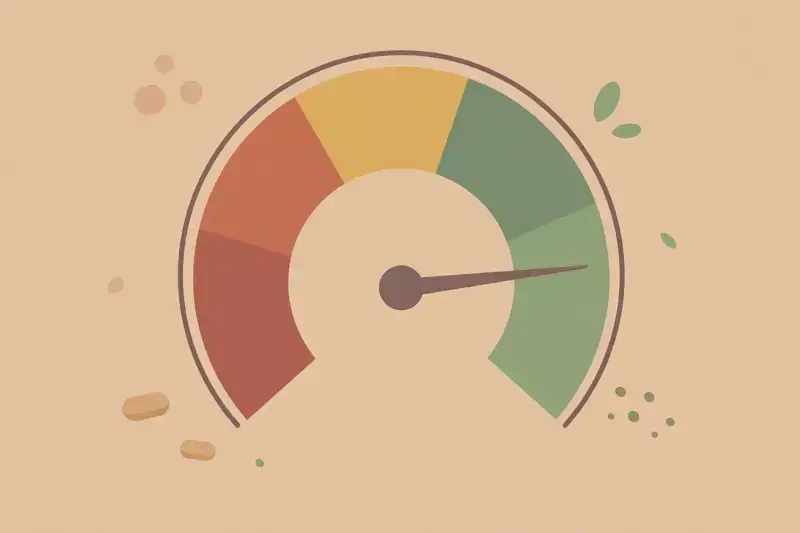
The score bands: under 580 is poor, 580 to 669 is fair, 670 to 739 is good, 740 to 799 is very good, and 800-plus is exceptional. You do not need a perfect 850. Anything above about 740 gets you the best rates almost everywhere.
Checking your own score never hurts it. That is a soft inquiry. Hard inquiries, the kind lenders make when you apply, ding you a few points for about a year. Rate-shopping for a mortgage or auto loan within a two-week window counts as one inquiry, so do not fear comparing lenders.
Lesson 3
No credit history is a blank slate, not a bad one, and building it is straightforward. The classic starter is a secured credit card: you put down a deposit, say $300, which becomes your credit limit. Use it for one small recurring bill, pay it in full every month, and after six to twelve months of on-time payments you will have a real score.
Other on-ramps: becoming an authorized user on a family member's well-managed card, credit-builder loans from credit unions, and rent-reporting services that add your rent payments to your file. Student cards work if you are in school. Pick one lane and be boringly consistent.
The timeline is encouraging. Six months of on-time payments generates a score. Twelve to eighteen months of clean history gets you into the good range. Credit building rewards patience more than cleverness; there are no shortcuts, only steady payments.
Lesson 4
The entire credit card game is one rule: pay the statement balance in full every month. Do that and the grace period makes borrowing free, you build payment history, and you earn whatever rewards the card offers. Carry a balance and the 20-plus percent interest eats every reward twice over.
Autopay the full statement balance so a forgotten due date never happens. Keep utilization low by spending well under your limits or paying mid-cycle. And ignore most rewards-chasing advice until the basics are automatic; a 2 percent cash-back card you pay in full beats a premium travel card you carry a balance on.
Annual fees are only worth it if the benefits exceed the fee for your actual spending, not aspirational spending. For most people, one no-annual-fee cash-back card used responsibly is the whole strategy. Simple and paid in full beats optimized and indebted.
Lesson 5
When you carry multiple debts, the mathematically optimal payoff order is the avalanche: pay minimums on everything, then throw every spare dollar at the highest interest rate balance until it dies, then move to the next highest. Highest rate first, no exceptions, no emotions.
The rival method is the snowball: smallest balance first, for the psychological win of killing a debt quickly. The snowball costs more in interest but works better for people who need visible progress to stay motivated. Honest self-assessment picks your method: if you are disciplined, avalanche; if you need wins, snowball.
Either way, stop the bleeding first. While paying down, no new charges on the cards being attacked. Some people freeze their cards in ice or cut them up; do whatever removes the temptation. You cannot bail out a boat while drilling new holes.

Lesson 6
Lenders negotiate more than people realize, because a customer who pays something beats one who defaults. Call the number on the back of the card and ask for a lower interest rate; cite your payment history and competing offers. Success rates are surprisingly high, and the worst they can say is no.
If you are struggling, ask about hardship programs before you miss payments. Many issuers will temporarily lower rates or payments for customers who call early. Nonprofit credit counseling agencies (look for NFCC members) can set up debt management plans that consolidate payments and cut rates, usually for a small monthly fee.
For old debts in collections, know your rights: collectors must validate the debt on request, cannot harass you, and cannot sue after the statute of limitations expires in your state. Never give a collector electronic access to your bank account, and get any settlement agreement in writing before paying a cent.
Lesson 7
Payday loans are the apex predator of personal finance: triple-digit APRs designed to roll over forever. A $500 payday loan can cost $1,500 to repay. If you are considering one, call 211 for local assistance programs first; almost any alternative is cheaper.
Other traps: buy-now-pay-later plans that make overspending frictionless, rent-to-own stores that charge three times retail, car title loans that risk your vehicle, and minimum-payment psychology that keeps card balances alive for decades. A $5,000 balance at 24 percent making minimum payments takes over a decade and costs nearly as much in interest as the original debt.
The pattern behind every trap is the same: small payments that hide enormous total cost. Always ask two questions before borrowing: what is the APR, and what is the total I will repay? If the lender will not answer clearly, walk away.
Lesson 8
Your score is the headline; your report is the story. Once a year, pull all three reports free at AnnualCreditReport.com and read them like a detective. Check that every account listed is actually yours, that balances look right, and that closed accounts show as closed.
Look for the classic errors: accounts that are not yours (possible identity theft or mixed files), payments marked late that were on time, the same debt listed twice, and old negative items past their expiration date. Most negative marks fall off after seven years; bankruptcies after seven to ten.
Stagger your three bureau pulls across the year, one every four months, and you get year-round monitoring for free. Many banks and card issuers also offer free score tracking now; use them as an early warning system for sudden drops.
Lesson 9
Found an error? Dispute it with the bureau in writing, online or by mail, explaining clearly what is wrong and including any proof you have. The bureau must investigate, usually within 30 days, by asking the creditor to verify. If the creditor cannot verify, the item comes off.
Dispute with all three bureaus separately if the error appears on multiple reports. Keep copies of everything and note dates; if a bureau fails to investigate properly, those records matter. For identity theft, file a report at IdentityTheft.gov, which generates a recovery plan and pre-filled dispute letters.
Two warnings: never pay a "credit repair" company upfront fees to do what you can do free, it is illegal for them to charge before performing services, and never dispute accurate negative items with false claims. Legitimate debts age off on their own; fraud in disputes can backfire badly.
Lesson 10
Credit utilization, the percentage of your available credit you are using, is 30 percent of your score and the fastest thing you can change. Owing $4,500 on a $5,000 limit reads as risky; owing $500 on a $50,000 limit reads as disciplined, even though the dollar amounts differ.
The thresholds: under 30 percent is decent, under 10 percent is excellent. This is measured per card and overall, so one maxed-out card hurts even if your total utilization is low. The fastest score boost in credit comes from paying down high-utilization cards.
Two legitimate ways to lower utilization without paying a dime: ask for credit limit increases on cards you manage well (more available credit, same balance), and spread spending across multiple cards. But never raise limits as an excuse to spend more; the point is the ratio, not the room.
Lesson 11
Auto loans are where good credit pays visibly. The rate difference between fair and excellent credit can be several percentage points, which means thousands over the loan. Get pre-approved by your bank or credit union before visiting a dealer, so you negotiate the car price and the financing separately.
For mortgages, the stakes are enormous. A one-point rate difference on a $350,000 loan costs roughly $70,000 over thirty years. In the year before buying, avoid new credit applications, do not close old cards, and do not make large unexplained deposits. Lenders scrutinize everything.
Rule of thumb for cars: 20 percent down, a loan term of four years or less, and total car costs under 15 percent of take-home pay. For homes: the classic 28/36 guidelines, housing costs under 28 percent of gross income and total debt under 36 percent. These guardrails keep big purchases from eating your future.
Lesson 12
Write it down today. List every debt: creditor, balance, interest rate, minimum payment. Total it. That number is your starting line, not your identity. Pick avalanche or snowball, set up minimum autopays on everything, and direct every spare dollar at the target debt.
Then find the spare dollars: cancel subscriptions, sell what you do not use, pause non-essential spending for ninety days, and throw windfalls (tax refunds, bonuses, gifts) at the debt instead of lifestyle. A temporary sprint beats a permanent minimum-payment truce.
When the last balance hits zero, do not exhale and splurge. Redirect that entire former debt payment into savings and investments automatically, the day the debt dies. You already proved you can live without that money. Now let it build your wealth instead of someone else's.
Graduation
Credit is a tool that rewards the boring virtues: pay on time, keep balances low, let accounts age. Debt is a trap that punishes the exciting ones. You now know how the score works, how to build it, how to fix it, and how to kill debt for good. Use the tool, avoid the trap.
Keep learning
This course is part of Starvard University, striving for greatness.
A note on accuracy: Much of what you read at Starvard was created with help from AI agents, working alongside people. We check what we can, but we cannot guarantee that everything here is true, current, or complete. If something really matters, your health, your money, a grade, a job, please verify it with a trusted source before you rely on it.