 Starvard
The Psychology of Human Thought · Chapter 6 of 19
Chapter 6: Metacognition: Monitoring and Controlling One's Own Knowledge, Reasoning and Decisions
by Klaus Fiedler
m/). Thus, metacognition is cognition about one’s own cognition. It serves to monitor the correctness of our cognitive operations and to correct for incorrect operations in order to control for the costs and benefits of our judgments and decisions (Nelson & Narens, 1990). To illustrate, an invoice must be checked (monitoring) and corrected for potential calculation errors (control). Before a written exam can be submitted, all responses must be validated (monitoring) and revised if necessary (control). Purchasing decisions must be confirmed (monitoring) or revised in case of dissatisfying expected results (control).
6.1.1 Setting “Metacognition” Apartfrom “Cognition”
Metacognition is the “top manager” of cognitive functioning. Memory, for instance, consists of the basic cognitive functions for storing and retrieving information. Metacognitive processes are responsible for regulating these functions: setting goals for learning, examining the quality of memory storage and retrieval, allocating time to memory processes, choosing among strategies for reasoning, making decisions, and acknowledging achieving goals. Metacognition is not separate from cognition, but integral to all higher-order cognitive inferences, including explicit learning, skill development, recall of personal events, communication, decision making, problem solving, navigation, design, etc. It refers to the superordinate and in a way to the most responsible level of all cognitive functions. It constitutes the quality control of one’s own mental functions.
6.1.2 Metacognitive Monitoring andControl
The output of the metacognitive monitoring function provides the input to the metacognitive control function (Nelson & Narens, 1990). Monitoring judgments, the critical assessment of the mental operations used to transform the stimulus information, are preconditions for appropriate corrections and for any decisions or actions. Thus, the veracity of verbal communications has to be assessed critically before one can decide whether to trust, distrust or discard the communication. One monitors the navigation
The prefix “meta” in Greek loanwords denotes “something that consciously references or comments
upon its own subject” (https://www.dictionary.co
https://doi.org/10.17885/heiup.470.c6669 Psychology of Human Thought • Chapter 6 • 89
Fiedler, Ackerman & Scarampi Metacognition
of one’s car or boat in order to draw a controlled decision at the next branching. Or, monitoring the money one has spent on prior occasions affords a precondition for the controlled use of the remaining budget.
quisition to retention, retrieval, and inferences leading to judgments and decisions. It is an extended version of a diagram that was originally presented in a seminal article by Nelson and Narens (1990), which focused on memory processes. As apparent from the direction of arrows, monitoring functions are informed by the contents of the primary cognitive processes, whereas control functions constitute metacognitive influences exerted on the cognitive processes, informed by monitoring results.
Metacognition is ubiquitous because virtually all cognitive operations are monitored and controlled, before, during, and after their execution. The execution of an action plan—such as telling a story about what we did last weekend—is not confined to retrieval and speech activities; it also involves monitoring operations such as keeping track of the position reached in the story, checking grammar and pronunciation, assessing the available time left, receiving signals from communication partners, or noting the ease (or difficulty) with which story details come to mind (e.g., “I don’t recall the name now, it will probably come to mind soon”). As a function of these monitoring results, one can then control speed and story detail, correct for mistakes, secure comprehension, and maybe change one’s nonverbal behavior in order to appear honest.
Metacognition covers both meta-memory and meta-reasoning (see Ackerman & Thompson, 2015, 2017). That is, monitoring and control functions are not only concerned with memory proper but also with memory-dependent reasoning processes leading to judgments and decision making. Thus, a cognitive-ecological perspective on judgment and decision calls for an extended metacognitive approach, which must not only regulate internal cognitive functions but also check on the validity and usability of environmental information samples. In this regard, Figure 6.1 indicates that for judgments and decisions to be unbiased and accurate, the weight given to sampled information must depend on a critical assessment of its validity and trustworthiness.
Figure 6.1 provides a schematic overview of generic monitoring and control functions involved in different stages of cognitive processing, from ac-
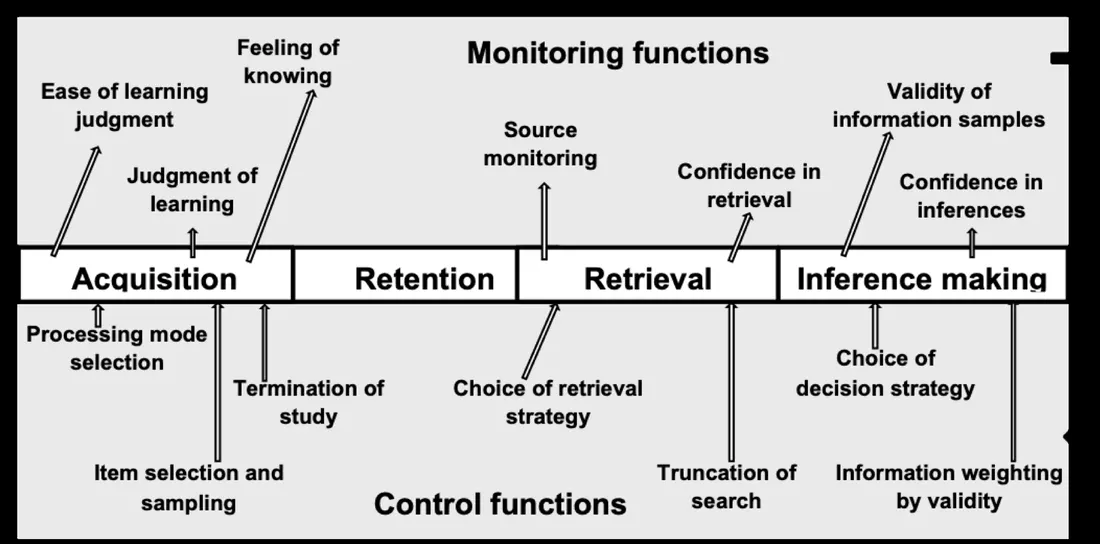
Figure 6.1: Schematic overview of major monitoring and control functions, based on Nelson and Narens (1990).
90 • Psychology of Human Thought • Chapter 6
Review of Insights Gained from Metacognition Research Fiedler, Ackerman & Scarampi
6.2 Review of Insights Gained fromMetacognition Research
order, and participants are asked to recall the right word that was attached to it in the study phase. Analyses of study time, JOL, and recall success provide evidence about the way people allocate study time across items and in various conditions (e.g., high motivation for success; repeated learning; emotionally loaded vs. neural words; words presented in large or small fonts).
In a review of four decades of pertinent research (see Kornell & Bjork, 2007; Son & Sethi, 2010), some milestones can be identified. The general research theme is the interplay of monitoring and control (Nelson & Narens, 1990), which need not be strictly unidirectional (see Koriat, Ma’ayan, & Nussinson, 2006). Yet, only when monitoring is reliable can people have a solid basis for effective control of strategies and allocation of effort and resources.
The causal role of JOL for effort regulation was established by Metcalfe and Finn (2008). They asked participants to learn half of the word pairs once and half repeated three times in the study list. Participants then provided their JOLs and recalled the items. Not surprisingly, JOL and recall were higher for the items learned three times than for those learned only once. In a second block, the items studied once in the first block were now presented three times, and vice versa. All items were thus learned four times altogether and recall of both sets was equivalent. However, JOLs were higher for items learned three times than for those learned only once in the first block, presumably because of the advantage in the initial recall test after the first block. This effect of a previous test on JOL is called memory for past test. Most relevant for effort regulation is that when providing JOL for the second block, which differed between the item sets, participants were also asked whether they would like to restudy each item. Although recall performance was equivalent for both item sets, participants chose to restudy items for which JOL was lower—those studied only once in the first block. This finding demonstrates that effort regulation decisions, like decisions to restudy items, depend on JOL rather than on actual memory strength. Similarly, people relied on JOL when betting on success, even when these judgments were misleading (Hembacher & Ghetti, 2017).
6.2.1 Metacognitive Regulation ofEffort
Imagine Lisa, a student, who is studying a chapter in a text book for an exam. While reading the chapter, Lisa is considering her proficiency and decides whether to restudy a previous paragraph, look for additional information over the Internet, continue to the next paragraph, or stop studying, either because she does not progress adequately today, or because she knows the entire chapter to a satisfactory degree. All these regulatory functions rely on monitoring her knowledge of each paragraph in the chapter. This assessment allows Lisa to identify the weak points and those which she mastered already.
The available empirical evidence on effort reg-ulation was to a large extent collected by simple methodologies involving memorized lists of words or word pairs. Nevertheless, the scientific insights gained from these paradigms are robust and generalizable to many other cognitive tasks (e.g., solving problems, answering knowledge questions, learning from texts, decision making). In a typical pairedassociate memory study, people are asked to memorize pairs of related or unrelated words (e.g., KING – CROWN; FLAG – POT) presented one after the
Using more complex learning and memory tasks, Thiede, Anderson, and Therriault (2003) found that judgments of comprehension guide decisions to restudy texts. When these JOLs were more reliable, participants were better attuned to their knowledge level and chose to restudy the less well-known texts. This strategy led to higher achievement, demonstrating that effort regulation becomes more effective with more reliable JOLs. For visual perception, sub-
other. They are allowed to allocate time to each item freely. Immediately after memorizing each word pair, people assess their chance for success by providing a Judgment of Learning (JOL). For adults, the tasks typically involve memorizing 60 word pairs presented in a random order. After memorizing all of them, there is a recall phase, in which the left words are presented one by one in a new
Psychology of Human Thought • Chapter 6 • 91
Fiedler, Ackerman & Scarampi Metacognition
jective confidence guided decisions to get a hint that was helpful for choosing among two options (Desender, Boldt, & Yeung, 2018). Notably, the tight association between monitoring and control was reduced among clinical populations and enhanced among young and healthy people (e.g., Danion, Gokalsing, Robert, Massin-Krauss, & Bacon, 2001; Koren et al., 2004). Thus, a well-functioning monitoring-control link should not be taken for granted.
compromise in the target level of knowledge (Thiede & Dunlosky, 1999). High motivation for success, in contrast, leads people to raise their stopping criterion, yielding longer time investment aiming to increase the chances of success (Koriat et al., 2006).
As known from real-life scenarios, when the items to be studied are extremely difficult, people may give up early, even when they acknowledge that they do not know them as they would have desired. This strategy is effective since it reduces labor-in-vain: time investment in items that have a low chance of being mastered, even after extensive effort to master them. Moreover, this strategy allows more time to be invested in other items, at intermediate difficulty levels, which have a higher chance of being mastered (Son & Sethi, 2010). Indeed, it was shown that people compromise on their target level as more time is invested. They also set a time limit, beyond which they are not willing to invest further time in studying an item (Ackerman, 2014). This time limit is adjusted to be higher when learners have high motivation and to be lower when they learn under time pressure (Undorf & Ackerman, 2017).
The next question to ask is when people stop investing effort. That is, what are the stopping rules that guide effort regulation? A regular finding is that people invest more time in studying the more difficult items (Zacks, 1969). This finding led to the development of Discrepancy Reduction Models, which assume that people set a target level according to their motivation in the given scenario. The target acts as a stopping rule: they study each item until monitoring indicates that their knowledge of this item is satisfactory (Nelson & Narens, 1990; see Figure 6.2). For more difficult items (B in Figure 6.2) this takes longer than for easier items (A). There are conditions, such as time pressure, under which the stopping criterion gets lower, reflecting a
One more consideration is order effects. Dunlosky and Ariel (2011) demonstrated that, when pre-
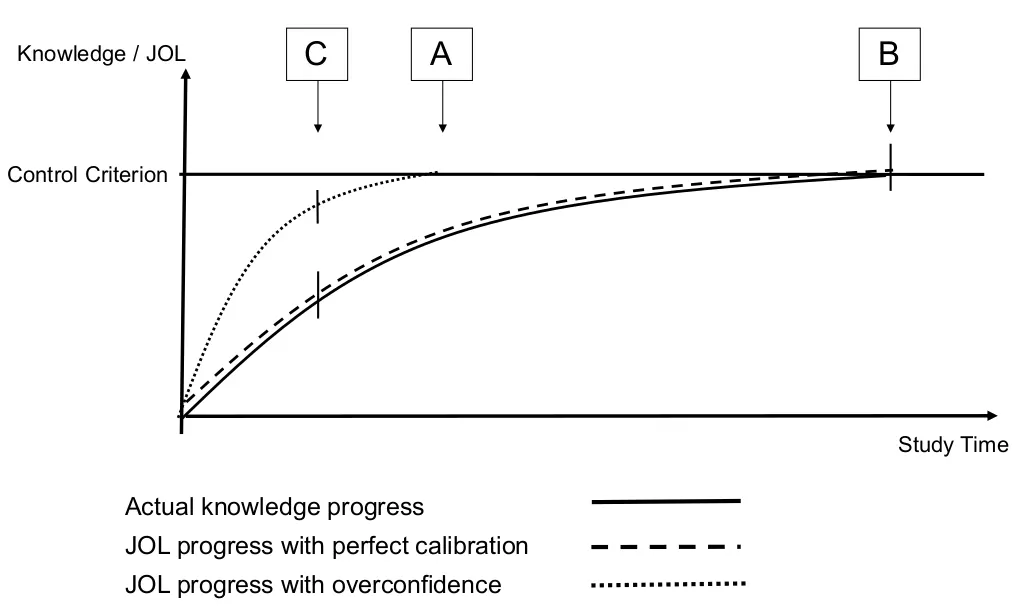
Figure 6.2: Illustration of the discrepancy reduction model, based on Ackerman and Goldsmith (2011, Figure 1). It shows the straight
criterion and the regulatory role of Judgment of Learning (JOL) in guiding the decision whether to continue or cease learning. A – early termination with overconfidence, B – termination with perfect calibration, C – point of decision to continue learning because the stopping criterion was not reached yet.
92 • Psychology of Human Thought • Chapter 6
The Heuristic Bases for Metacognitive Judgments Fiedler, Ackerman & Scarampi
sented with several items, people tend to choose to restudy items encountered earlier in their habitual reading order (e.g., from left to right) rather than those appearing later. When study time is too short to master all materials, investing too much in early list parts is counterproductive, relative to waiving the most difficult items: the time invested in the difficult items, when they appear early in the list, could be used more effectively for studying easier items appearing later in the list. Beyond this order effect, Dunlosky and Ariel (2011) also found indications for waiving the most difficult items. Thus, these strategies are complementary rather than mutually exclusive.
not directly “read” their knowledge and the quality of their own cognitive processing, but instead, must base their judgments on cues experienced when they perform the task and immediately after stopping performing it.
One prominent cue is fluency—the subjective ease with which a cognitive task is performed. Fluency is accounted to underlie many metacognitive judgments; it is indeed a rather valid cue for success. For instance, memorizing the word pair TUBER – AZORES is hard as the words are rarely encountered and their pairing is rather unusual. When memorizing this word pair among sixty other pairs, the chances of remembering the right word when encountering the left one remains low despite investing a lot of effort, which means that this item’s fluency is low. In contrast, when a pair consists of familiar words which are often encountered in the same context (e.g., SOCK – FOOT), cued recall is typically quick and has a high chance of success, and thus characterized by high fluency. Koriat, Ma’ayan, and Nussinson (2006) suggested that people use in such contexts a memorizing effort heuristic: longer learning times, experienced as lower fluency, indicate a lower probability of memorizing the item later.
Generalizing these principles to text learning, Ackerman and Goldsmith (2011) compared learning printed texts to learning the same texts presented on computer screens. In both cases, participants were allowed to write comments and highlight text sections. In the computerized condition, participants believed to learn more quickly than on paper, and thus stopped learning earlier (see Figure 6.2, point A). In fact, though, rate of learning was equivalent in both media. As a result, performance in tests taken immediately after studying was respectively lower in the computerized than in the printed-text condition. This apparently reflects the role of over-confidence in effort regulation—people stop when they think they know the materials adequately. If they are overconfident, stopping will be premature. Later studies showed that learning in computerized environments suffers most from limited learning time (for a meta-analysis, seeDelgado, Vargas, Ackerman, & Salmerón, 2018). Similar overconfidence effects were found with problem-solving tasks of the types students encounter in math, logic, geometry, and psychometric tests (Ackerman, 2014; Sidi, Shpigelman, Zalmanov, & Ackerman, 2017).
The predictive accuracy of metacognitive judgments depends on the diagnosticity of the utilized cues. A great deal of research focused on conditions under which heuristic cues, like fluency, can be misleading. For instance, people may feel that they found the correct solution for a problem right away and based on fluency be confident they solved it successfully, while in fact they are wrong, and investing more effort could increase their chance of success. Thus, identifying factors that induce predictable biases in people’s confidence is important because such biases impair effort regulation.
The potentially misleading impact of heuristics suggests that metacognitive judgments are dissociable from the actual success of cognitive processes; factors that affect performance do not necessarily affect judgments regarding the same cognitive processes, and vice versa. In particular, dissociation of JOL from actual performance can stem from surface properties of the to-be-learned items affecting perceptual fluency rather than the more relevant cue of processing fluency. Rhodes and Castel (2008) found
6.2.2 The Heuristic Bases forMetacognitive Judgments
The metacognitive judgments regarding memory, reading comprehension, and solutions to problems introduced in the preceding section are known to be based on heuristic cues (see Dunlosky & Tauber, 2014, for a review; Koriat, 1997). Thus, people can-
Psychology of Human Thought • Chapter 6 • 93
Fiedler, Ackerman & Scarampi Metacognition
higher JOLs for words printed in large font than for those printed in smaller fonts, although recall was less affected by font size (see Undorf, Zimdahl, & Bernstein, 2017, for a similar perceptual influence on JOL). Conversely, other variables have more pronounced effects on performance than on JOLs. For instance, rehearsal improves recall, and long delays between learning and test cause substantial forgetting, yet JOLs are hardly sensitive to either (Koriat, 1997; Koriat, Bjork, Sheffer, & Bar, 2004). Thus, accuracy of JOLs and other metacognitive judgments depends on the validity of the utilized cues.
to read fonts). Both FOR and final confidence reflected processing fluency, as both judgments were associated with response times. However, none of the examined judgments reflected perceptual fluency, unlike the aforementioned font-size effects on JOL. This example of a difference between metacognitive judgments of memory processes and of reasoning processes suggests that research should delve into commonalities and differences across tasks (Ackerman & Beller, 2017; Ackerman & Thompson, 2015, for a review).
Convincing evidence for the role of fluency in judgments, as reflected by response time, was provided by Topolinski and Reber (2010). Using three different types of problems, they first presented each problem and then, delayed either for a short or longer time, presented a potential answer, which was the target stimulus. Participants had to judge whether the presented answer was the correct solution for the presented problem. For both correct and incorrect candidates, faster appearing solutions were more frequently judged to be correct than those presented after a delay. Because solution display time was the only difference, the findings indicate that mere delay led to lower endorsement of answers as correct.
An effective and easy-to-adapt solution to several biases of JOLs is to delay the JOL elicitations to a time closer to the test, rather than immediately after learning. The delayed JOL effect is robust (see Rhodes & Tauber, 2011, for a meta-analysis). Delayed JOL accuracy reflects access to more diagnostic heuristic cues from long-term memory reflecting better the state of knowledge when taking the test than when provided immediately after learning each item.
In the context of problem solving, Ackerman and Zalmanov (2012) compared performance and confidence in the solutions of multiple-choice and openended test format. As expected, they found higher success rates in a multiple-choice test format than in the open-ended test because of guessing or identifying the correct option when readily available. However, subjective confidence ratings were equivalent in both test formats; they did not reflect this performance difference. Confidence in the same solutions was however sensitive to response time: lower for slow responses than for quick responses. This finding reflects utilization of fluency. Similarly, Fernandez-Cruz, Arango-Muñoz, and Volz (2016) found sensitivity to processing fluency for both feeling of error and final confidence in a numerical calculation task. Thompson and colleagues (2013) examined fluency effects on final confidence and on Feeling of Rightness (FOR)—an initial confidence judgment collected immediately after producing the first solution that comes to mind, and before rethinking the solution. They used misleading math problems and considered both processing fluency, based on ease of processing, and perceptual fluency, manipulated by font readability (e.g., hard vs. easy
Two other heuristic cues were shown to affect feelings-of-knowing regarding answers to knowledge questions. The first cue is the familiarity of the question terms or the knowledge domain (e.g., Reder & Ritter, 1992; Shanks & Serra, 2014). The second cue is accessibility, which reflects the number of associations that come to mind during a retrieval attempt, regardless of whether this information promotes retrieval of correct answers (Koriat, 1993). For example, Koriat and Levy-Sadot (2001) composed general knowledge questions that differed in familiarity of the terms (e.g., the ballets “Swan lake” vs. “The Legend of Joseph”) and in accessibility, operationalized as the number of names people can provide for a category (e.g., people tend to know more composers than choreographers). These cues contributed independently to feeling-of-knowingjudgments, which were higher for more familiar objects, especially when items were highly accessible. Accessibility also affected judgments regarding problem solutions (Ackerman & Beller, 2017). Al-
94 • Psychology of Human Thought • Chapter 6
The Heuristic Bases for Metacognitive Judgments Fiedler, Ackerman & Scarampi
though not necessarily reflected in response time, it is possible that familiarity and accessibility affect fluency by affecting the ease of processing experience.
judgments on the experience of ease while performing the task (experience-based cues), or on knowledge about cognitive processes, which is general rather than specific to the current experience with the item at hand (theory-based cues; Koriat, 1997). For instance, the unjustified effect of font size on JOL mentioned above could stem from experience of easy learning when the fonts are large relative to an experience of difficulty when the fonts are small (Undorf & Zimdahl, 2018). The same effect on JOL could also stem from people’s implicit theories of learning, saying that large presentation helps memorizing while small presentation adds a challenge to the task. Attempts were made to separate the two information sources. Kelley and Jacoby (1996) aimed to focus on experience-based cues while controlling for potential theories people might have. They presented participants anagrams (scrambled words). In the first phase of the experiment, participants studied the solution words to half the anagrams. This prior exposure led to faster solutions of those anagrams in a second phase, as the correct solution came to mind more easily. After experiencing such processing ease, participants expected these anagrams to be easier for other people to solve relative to anagrams these participants solved without prior exposure to their answers. This finding demonstrates the intricate role of experience-based cues in metacognitive judgments.
Focusing on a rarely considered cue, Topolinski, Bakhtiari, and Erle (2016) examined the effects of ease of pronouncing on judgments of solvability— quick assessment as to whether the problem is solvable—has a solution—or whether it includes contradiction that does not allow one to solve it at all. Topolinski and colleagues presented participants with solvable anagrams (scrambled words) and unsolvable letter sets, that could not be rearranged to form a valid word, and manipulated their pronounceability. For instance, for the word EPISODE, they had two anagram options: EDISEPO and IPSDEOE. Easy- and hard-to-pronounce versions also existed for the unsolvable letter sets. As expected, easyto-pronounce anagrams were more often rated as solvable than hard-to-pronounce anagrams, regardless of whether anagrams were in fact solvable or not. This finding is particularly interesting because in reality anagrams that are easier to pronounce are often harder to solve, since people find it harder to rearrange their letters. Thus, pronounceability may function as a misleading heuristic cue for metacognitive judgments.
Most heuristic cues considered in memory and reasoning research somehow refer to semantic knowledge activated in verbal tasks. This is the case with relatedness of word pairs, familiarity of question terms, accessibility of relevant knowledge, and pronounceability, as reviewed above. Studying heuristic cues that affect perceptual decisions provides opportunities to consider non-semantic heuristic cues. In a study by Boldt, De Gardelle, and Yeung (2017) participants judged the average color
The contribution of experience-based fluency and theory-based beliefs is a source of debate about heuristic cues. Mueller, Tauber, and Dunlosky (2013) found dominance of theory-based beliefs that related word pairs (SOCK - FOOT) were easier to remember than unrelated word pairs (PARROT – GAZ) over effects of experience-based processing fluency on JOLs. Based on Undorf and Erdfelder’s (2015) counter-evidence that experience-based fluency is nevertheless an important basis for JOLs, both teams later concluded that theory-based beliefs contribute to JOLs in addition to experience-based fluency (Mueller & Dunlosky, 2017; Undorf & Zimdahl, 2018).
of an array of eight colored shapes and rated confidence in their choice. The higher the variability of colors across the eight shapes, the lower the participants’ confidence in the average color choice, even when equating the actual difficulty. Thus, people utilize misleading heuristic cues in perceptual tasks as they do in verbal tasks.
In sum, metacognitive judgments are prone to predictable biases due to utilizing heuristic cues that are generally valid, though misleading under distinct conditions. Understanding factors that people take
When considering the bases for metacognitive judgments, in particular those associated with fluency, a question in place is whether people base their
Psychology of Human Thought • Chapter 6 • 95
Fiedler, Ackerman & Scarampi Metacognition
into account when making metacognitive judgments is essential for any attempt to educate and improve effort and behavior regulation.
Several indexes of resolution can be computed to assess the accuracy of a judgment once it has been elicited. All measures require the acquisition of an independent performance criterion that quantifies the relationship between accuracy and confidence. In previous research, resolution has been measured using confidence-accuracy correlations within participants (Nelson, 1984). As an alternative, other researchers have suggested signal detection theory (SDT; Green & Swets, 1966; see Figure 6.4 below), which assesses discrimination between objective states of the world (e.g., distinguishing signal from noise, or the presence or absence of a stimulus). Applied to metacognitive judgments, resolution can be seen as the sensitivity to a signal. More precisely, the primary cognitive task (e.g., memory, decision making, etc.) is often called Type 1 task, whereas the task of the discriminating of confidence ratings between one’s own correct and incorrect responses in the Type 1 task is called Type 2 task. Advancers of SDT have argued that gamma correlations can be problematic, as they can be affected by the overall tendency to use higher or lower confidence ratings (i.e., metacognitive bias; Fleming & Lau, 2014). Nevertheless, gamma correlations continue to be used in metacognition research. Above-chance confidence-accuracy correlations were found in a variety of tasks, ranging from perceptual decision making to challenging problem solving, indicating that people are skilled at identifying whether their responses are correct or wrong (see Ackerman & Zalmanov, 2012; Koriat, 2018 and references therein).
6.2.3 Knowing What You Know:Judgment Accuracy
Judgments and decisions are generally accompanied by a subjective feeling of confidence, aimed at assessing the probability of being correct. This metacognitive judgment serves as a guide for current and future behavior, helping people avoid repeating the same mistakes and evaluate whether the available information suffices to make a reliable decision.
Most research on confidence has focused on the relation between confidence judgments and objective performance on a criterion task, with the aim of investigating how well individuals can monitor their own knowledge. Two main aspects of judgment accuracy can be distinguished, resolution (or metacognitive sensitivity) and calibration (or metacognitive bias). Resolution refers to distinguishing between correct and incorrect answers (Fleming & Lau, 2014), whereas calibration refers to the extent to which confidence judgments tend to be overconfident (i.e., more optimistic than actual performance) versus underconfident (i.e., less optimistic).
Resolution. Resolution plays an important role in metacognitive control processes and people’s behavior (Nelson & Narens, 1990). Imagine a student facing a multiple-choice test in which errors are penalized whereas omissions are not. The test will be solved differently depending on the assessment the student makes of their candidate answers. If an answer is judged as correct, it may be worthwhile responding and risking the penalty. In contrast, if an answer is assessed as wrong, the student might decide to withhold the response. The decision to produce or withhold an answer is determined by resolution. Perfect resolution will lead to offering all the candidate responses which are indeed correct, and withhold all incorrect responses. Conversely, poor resolution—at the same level of knowledge— may lead to withholding some of the correct answers and to offering a portion of the incorrect ones, resulting in penalties and lost opportunities for points (Higham & Higham, 2018).
Calibration. Another key monitoring accuracy measure in metacognition and self-regulation is calibration. A simple measure of calibration is the difference between mean confidence in success with each item and actual success rate. Several studies have indicated that people tend to be overconfident across a variety of conditions (Dunning, Heath, & Suls, 2004). In particular, Kruger and Dunning (1999) documented a metacognitive bias through which relatively unskilled individuals not only make erroneous responses but also overestimate their abilities. That is, a deficit in knowledge prevents poor performers from realizing how poorly they are performing. However, if trained to become more competent, their self-assessment also becomes more accurate.
96 • Psychology of Human Thought • Chapter 6
Knowing What You Know: Judgment Accuracy Fiedler, Ackerman & Scarampi
Calibration and resolution are independent measures. An individual may have high overall confidence, but poor resolution and vice versa (Fleming & Lau, 2014). Nevertheless, recent research has shown that the two are not independent when the probabilistic structure of the environment is considered (Koriat, 2018). Across a series of experiments using two-alternative forced choice items from different domains (e.g., perceptual decision making, general knowledge, memory, and predictions about others’ judgments, beliefs, and attitudes), Koriat (2018) found that resolution is strictly dependent on the accuracy of Type 1 task performance and that positive correlations between confidence and accuracy observed across many studies are confined to items for which accuracy is better than chance. Furthermore, calibration depended on task difficulty: items with accuracy smaller than 50% led to a strong overconfidence bias, whereas items for which accuracy was better than chance were associated with almost perfect calibration. These results support the proposition that for difficult items that are likely to elicit erroneous responses, individuals are largely unaware of making a mistake. Consistent with this account, the overconfidence bias decreases markedly when the selective reliance on difficult items is avoided through representative sampling (Gigerenzer, Hoffrage, & Kleinbölting, 1991).
in retrospective than in prospective judgments by Fleming, Massoni, Gajdos, and Vergnaud (2016), using a perceptual decision task. Retrospective confidence ratings were provided on every trial, whereas prospective judgments were only provided prior to every fifth trial. The authors found dissociable influences on prospective and retrospective judgments. Whereas retrospective judgments were strongly influenced by current-trial fluency, and accuracy and confidence in the immediately preceding decision, prospective judgments were influenced by previous confidence over a longer time frame. Furthermore, individual overconfidence was stable across prospective and retrospective judgments, suggesting that overconfidence represents a stable personality trait (Ais, Zylberberg, Barttfeld, & Sigman, 2016; Jackson & Kleitman, 2014).
As many reasoning and problem-solving tasks go on over an extended period of time, the assessment of performance and success probability must be updated repeatedly (Ackerman, 2014). Intermediate confidence is an internal estimate of the adequacy of possible responses considered before arriving at a final solution (see Ackerman & Thompson, 2017). To study this process, Ackerman (2014) asked participants to rate their intermediate confidence every few seconds until they provided a solution, after which they rated their final confidence. The first intermediate judgment turned out to be a good predictor of the amount of time participants spent solving the problems. Confidence tended to increase over time. However, whereas at the beginning, participants tended to provide answers when confidence was high, over time they became more willing to provide answers at a lower level of confidence. Final low-confidence responses could be as low as 20%, even when there was an option to give up, by answering “I don’t know”.
Another key element of metacognitive judgments is the time of elicitation. Judgments can be prospec-tive (i.e., occurring before performing a task), or retrospective (i.e., occurring after task completion). For example, a student may reflect on their current knowledge to predict their success on an upcoming test (prospective judgment) and, judge afterwards how well they did, trying to estimate their grade (retrospective judgment). Few behavioral studies have pitted prospective against retrospective judgments for the same task. Siedlecka, Paulewicz and Wierzcho´n (2016) compared prospective and retrospective confidence judgments. Participants rated whether presented words were the solution to anagram tasks. Participants also rated their certainty, either before or after seeing the suggested solution. The authors found that post-decision confidence ratings were more accurate than ratings made prospectively. Resolution and calibration were also found to be higher
The study of confidence judgments has been extended in the last few decades to collective decision making. In numerous perceptual as well as cognitive decisions, interacting individuals can make more accurate decisions by discussing one’s own perceptual experiences with others and integrating different opinions, achieving a reliable collective benefit even in the absence of objective feedback (Bahrami et al., 2010). That is, the accuracy achieved by sharing
Psychology of Human Thought • Chapter 6 • 97
Fiedler, Ackerman & Scarampi Metacognition
and combining subjective information via social interaction can exceed the accuracy of each individual opinion, even that of the best individual in the group. This phenomenon is known as the “two-heads-betterthan-one” effect (Koriat, 2012) or “wisdom of the crowd” (Surowiecki, 2004). Koriat (2012) presented participants with two-alternative forced inference tasks and showed that members of a dyad can take advantage of the wisdom of the group by using a simple heuristic: choosing the response expressed with the highest level of confidence. These findings have relevant implications for collective and democratic decisions and actions.
inate in the posterior medial frontal cortex (pMFC; Dehaene, Posner, & Tucker, 1994).
Since the introduction of these seminal studies, further research into such domains as memory, perception, and decision making, has identified neural correlates of metacognitive judgments and further dissociated cognitive from metacognitive processes. Fleming et al. (2010) had participants performing a perceptual decision-making task and providing ratings of confidence after each decision. The authors found considerable variation between participants in metacognitive accuracy. Using MRI, this variation in confidence accuracy was found to be correlated with grey matter volume in the right rostrolateral areas of the prefrontal cortex (PFC). Furthermore, greater accuracy in metacognitive judgments was associated with increased white-matter microstructure connected with this area of the PFC. These results point to neural bases of metacognition that differ from those supporting primary perception. Similarly, in a study by Do Lam and colleagues (2012), participants who had first learned the pairwise associations between faces and names were then presented again with each face and asked to provide judgments of learning (JOLs) regarding the chance of recalling the associated name. A neurological dissociation was found between the processes of memory retrieval, which were located in the hippocampal region (i.e., medial temporal lobes), and those underlying JOLs, which were located in the medial PFC, orbitofrontal cortex (OFC) and anterior cingulate cortex (ACC).
6.2.4 Neuroscience of Metacognition
In recent years, the study of metacognition was enriched by growing evidence from neuroscience concerning the underlying neurocognitive architecture. Specific neural substrates (especially in frontolateral, frontomedial, and parietal regions; see Figure 6.3) are involved in metacognition (e.g., Fleming, Huijgen, & Dolan, 2012; Fleming, Ryu, Golfinos, & Blackmon, 2014; Fleming, Weil, Nagy, Dolan, & Rees, 2010). However, the neural bases of human metacognition remain controversial. Metacognition operates on a variety of first-order processes, ranging from memory to perception, problem solving, etc. The diversity of the tasks to be monitored and controlled complicates the study of its neural signature, as it can be difficult to differentiate between the neural activations attributable to the metacognitive monitoring and control processes and the neural signature of the first-order cognitive/emotional processes (Metcalfe & Schwartz, 2016).
Anatomical, functional, and neuropsychological studies have confirmed the consistent involvement of a frontoparietal network in metacognition (Vaccaro & Fleming, 2018). Activations were located in the posterior medial PFC, ventromedial PFC and bilateral anterior PFC/ dorsolateral PFC. Other researchers observed activations in the bilateral insula and dorsal precuneus (Vaccaro & Fleming, 2018). These results suggest that the parietal cortex, particularly precuneus, and insula represent key nodes supporting metacognition, together with the PFC.
Existing attempts to isolate the metacognitive monitoring and control processes from first-order processes, testify to the uniqueness of metacognitive processes. Initial evidence was obtained from neuropsychological cases. For instance, Shimamura and Squire (1986) suggested that frontal lobe (behind forehead) impairments in patients with Korsakoff’s syndrome—a chronic memory disorder characterized by severe anterograde amnesia—can impact metacognitive judgments independently of cognitive performance per se. A common finding suggests that neural signals involved in error monitoring orig-
Existing research supports the existence of neural dissociations between prospective and retrospective metacognitive judgments (Chua, Schacter, & Sperling, 2009; Fleming & Dolan, 2012). For example, in a study on patients with lateral frontal lesions,
98 • Psychology of Human Thought • Chapter 6
Neuroscience of Metacognition Fiedler, Ackerman & Scarampi
Pannu, Kaszniak, and Rapcsak (2005) found impaired retrospective confidence judgments, but preserved judgments of future task performance. Conversely, Schnyer and colleagues (2004) found an association between damage to the right ventromedial PFC and a decrease in accuracy for metacognitive judgments about future recall (feeling of knowing), but not for accuracy of retrospective confidence judgments. Further evidence comes from functional MRI studies, which have shown that prospective metacog-
nition activates medial aspects of the PFC, while retrospective metacognitive accuracy is correlated with lateral PFC activity (Fleming & Dolan, 2012). When separating metamemory judgments by temporal focus in their meta-analysis, Vaccaro and Fleming (2018) found that retrospective judgments were associated with activity in the bilateral parahippocampal cortex and left inferior frontal gyrus, whereas prospective judgments activated the posterior medial PFC, left dorsolateral PFC, and right insula.
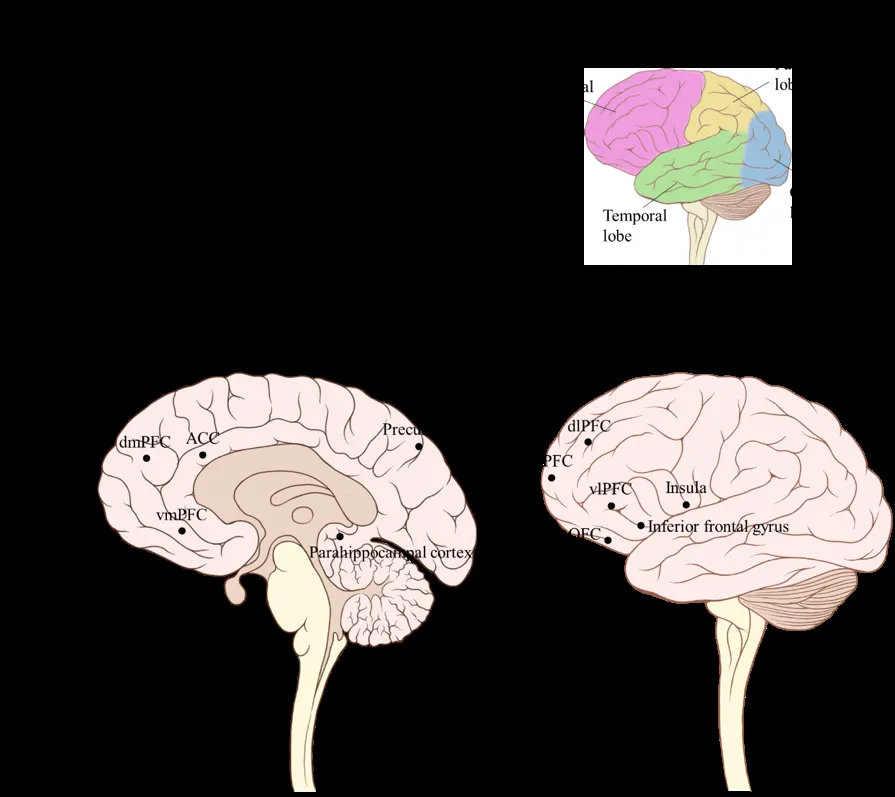
Figure 6.3: Gross neuroanatomy. a) Relative position and direction of brain structures. b) The four brain lobes from a lateral view. c)
and d) Approximate locations of the broadest subdivisions of the PFC and other areas linked to metacognition. Illustrations adapted from Patrick J. Lynch, medical illustrator, C. Carl Jaffe, MD, cardiologist, under the Creative Commons Attribution 2.5 License, 2006 (CC-BY-2.5). Retrieved from https://commons.wikimedia.org/wiki/File:Brain_human_lateral_view.svg and https://commons.wikimedia.org/wiki/File:Brain_human_sagittal_section.svg. Abbreviations: dmPFC, dorsomedial prefrontal cortex; vmPFC, ventromedial prefrontal cortex; ACC, anterior cingulate cortex; dlPFC, dorsolateral prefrontal cortex; rlPFC, rostrolateral prefrontal; vlPFC, ventrolateral prefrontal cortex; OFC, orbitofrontal cortex.
Psychology of Human Thought • Chapter 6 • 99
Fiedler, Ackerman & Scarampi Metacognition
Nevertheless, neuroimaging evidence directly comparing between different judgement types is scarce. In one of the few studies directly comparing neural activation related to prospective feeling of knowing and retrospective confidence judgment, Chua and colleagues (2009) found an association between prospective judgements and activation in medial parietal and medial temporal lobe, whereas retrospective judgements were associated with inferior prefrontal activity. However, common activations associated with both prospective and retrospective judgments were also observed in regions of medial and lateral PFC, and mid-posterior areas of cingulate cortex. These results suggest that neural activations related to different judgment type may differ in degree rather than in kind (Vaccaro & Fleming, 2018).
and retrospective judgments. Convergent evidence indicates that the function of the rostral and dorsal areas of the lateral PFC is important for the accuracy of retrospective judgments of performance. In contrast, prospective judgments of performance seem to depend on medial PFC. Recent studies have resulted in a rather nuanced picture, suggesting the co-existence in the brain of both domain-specific and domain-general signals.
6.3 Metacognitive Perspectives onApplied Rationality
The research reviewed so far has proven to be fruitful and thought-provoking, suggesting metacognitive explanations of adaptive behavior. We have seen that metacognitive deficits can lead to irrationality and inefficiency. In particular, we have reviewed memorable evidence on the illusion of knowledge, which consists of the gross overestimation of one’s chance of success, typically brought about by deceptive feelings of fluency or flow (Fiedler, 2013). Overconfidence, in particular, can be a major source of bias and a dangerous obstacle in decision making under risk and under uncertainty (Glaser & Weber, 2007; Kruger & Dunning, 1999). The metacognitive perspective is of particular importance for applied research on rational thinking, adaptive regulation, medical diagnosis and treatment, democratic decision making, lie detection, debunking of fake news, argumentation, trust, (im)moral action, and procedural justice in courtrooms, selection committees, or executive decisions. Checking and optimizing the quality of higher-order cognitive operations—the very domain of metacognition—is crucial for rational and responsible behavior. We illustrate this point in the remainder of this section.
Another relevant question tackled in neuroscience is whether metacognition relies on a common, domain-general resource or on domain-specific components that are particular to the respective first-order tasks. Recent neuroimaging studies yielded pertinent evidence for both domain-general and domain-specific neural markers (see Rouault, McWilliams, Allen, & Fleming, 2018, for a review). A frontoparietal network contributes to metacognitive judgments across a range of different domains. Still, neuroimaging evidence for direct comparisons is scarce. In a recent meta-analysis, Vaccaro and Fleming (2018) observed common regions in separate investigations of memory and decision-making tasks, which included: insula, lateral PFC, and posterior medial PFC. As suggested by Morales et al. (2018), this result may indicate that judgments in both memory and decision making are driven by common inputs. The meta-analysis also pointed to further regions that are activated by specific tasks. More precisely, meta-memory engaged left dorsolateral PFC and clusters in bilateral parahippocampal cortex, whereas right anterior dorsolateral PFC was involved in decision making (Vaccaro & Fleming, 2018). In summary, the neural underpinnings of even the most straightforward metacognitive judgments are complicated. Although metacognition can be dissociated from task performance, most studies have revealed activations in multiple brain areas, and differences have emerged between prospective
6.3.1 Legal Judgments and Decisions
A classical domain of metacognitive research in legal psychology is eyewitness identification performance. Because everybody expects eyewitnesses to identify the perpetrator in a lineup and because the persons in the presented lineup are much more
100 • Psychology of Human Thought • Chapter 6
Metacognitive Myopia as a Major Impediment of Rationality Fiedler, Ackerman & Scarampi
vivid than the original persons in a past episode, the enhanced readiness to make a positive recognition decision produces many correct identifications (when the identified suspect is indeed the perpetrator) but also many incorrect identifications (when the identified suspect is not the perpetrator).
metacognitive myopia (Fiedler, 2000, 2008, 2012). As the term “myopia” (short-sightedness) suggests, experimentally demonstrated violations of rational norms typically do not reflect insufficient attention or insensitivity to the stimulus data. On the contrary, people are quite sensitive to the data given; they are in a way too sensitive, taking the data for granted and failing to discriminate between valid and invalid information. For example, when judging the success of different stocks on the stock-market, participants were quite sensitive to the frequency with which various stocks were reported in TV programs among the daily winners. However, they failed to take into account that the daily winning outcomes of some stocks had been reported in more than one TV program (Unkelbach, Fiedler, & Freytag, 2007). Although they fully understand that two TV programs on the same day provide the same stock-market news, participants do not exhibit much success in taking the redundancy into account. Even when they are explicitly reminded of the redundancy and instructed not to be misled by such repetitions, they cannot avoid their misleading influence. This failure to overcome a known pitfall is a metacognitive flaw.
As illustrated in Figure 6.4, a liberal identification criterion (rather left position of C) produces, say, 90% correct identifications but roughly 40% incorrect identifications. A high false-alarm rate can be conceived as a case of overconfidence; C is apparently too weak a criterion to discriminate guilty and innocent persons, yielding an intolerably high rate of wrong convictions. Consistent with this account, a majority of exoneration cases after the introduction of DNA proofs turned out to be innocent victims of incorrect eyewitness identification.
The distinction between prospective and retrospective confidence judgments is also relevant to eyewitness testimony (Nguyen, Abed, & Pezdek, 2018). Witnesses are often asked to rate shortly after witnessing a crime their ability to recognize the perpetrator in the future (prospective confidence). Subsequently, when asked to identify someone from a lineup, eyewitnesses are asked how confident they are that they identified the correct person as the perpetrator (retrospective confidence). Nguyen, Abed, and Pezdek (2018) found that postdictive confidence was a better indicator of identification accuracy than predictive confidence, both for faces of the same race as the witness and for cross-race faces. Consistent with the lab findings reviewed above, this suggests that eyewitness confidence should be collected at the time of identification rather than earlier on the crime scene.
Analogous findings were observed across many experimental tasks. Fully irrelevant numerical anchors influence quantitative judgments (Wilson, Houston, Etling, & Brekke, 1996). Samples that dramatically over-represent the base-rate of rare events (e.g., samples in which the prevalence of HIV is 50% rather than 0.1% as in reality) are used to estimate associated risks (Fiedler, Hütter, Schott, & Kutzner, 2018). Correctly denied questions referring to objects or behaviors not included in a film nevertheless increased the probability that the non-existing objects were later recalled erroneously (Fiedler, Armbruster, Nickel, Walther, & Asbeck, 1996). In a perseverance paradigm, explicit debriefing about an experimental lie did not erase the implications and psychological consequences of the lie (Ross, Lepper, & Hubbard, 1975). Common to all these findings is that participants, who fully understand that invalid stimulus information should be discarded, are nevertheless influenced by that invalid information.
6.3.2 Metacognitive Myopia as a MajorImpediment of Rationality
Fewer optimistic insights were obtained in other areas of metacognition research. Rational judgments and decisions about economic, political, legal, and health-related issues rely heavily on the critical assessment of both the logical correctness of mental operations and the validity of the underlying evidence. A conspicuous deficit in this sorely needed function of critical assessment has been termed
The conspicuous naivety with which information is used and retained uncritically, regardless of its
Psychology of Human Thought • Chapter 6 • 101
Fiedler, Ackerman & Scarampi Metacognition
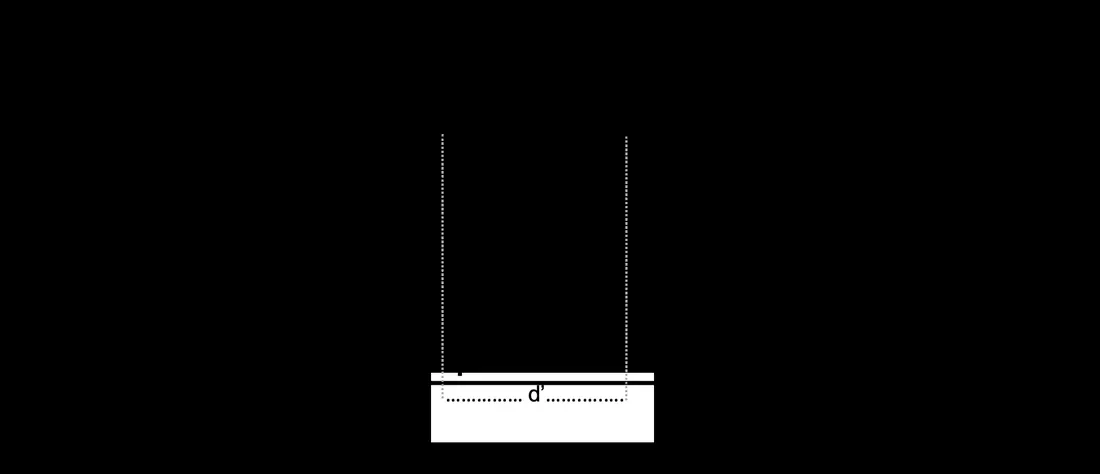
Figure 6.4: Signal detection analysis of eyewitness-identification performance: the solid (dashed) curve represents the distribution of
memory strength when the suspect in a lineup is (is not) the real perpetrator. Discriminability is the average horizontal difference d’ between curves. An identification decision is made when memory strength exceeds the criterion C. The areas right of C under the solid (dashed) curve are the probabilities of correct (incorrect) identification.
invalidity, is reminiscent of Hannah Arendt’s (1963) admonition that compliance and uncritical conformity are the origin of severe harm and violations of legal norms of humanity. But although the superego residing in the metacognition’s pre-frontal brain area is ethically obliged to engage in critical test and reconfirmation, its role in higher-order cognition is often impoverished. Meta-analyses of modern research on debunking (Chan, Jones, Hall Jamieson, & Albarracín, 2017), for instance, testify to the inability of scientific or political debriefing to erase fake news or obvious myths. Thus, even when the public are fully debriefed that Iraq did not possess any atomic bombs when the US invaded, that the evidence on global warming is uncontestable, or that polygraph lie detection is not supported by reliable studies, people change their erroneous beliefs only slightly and continue to hold the discredited wrong beliefs to a considerable extent.
attractiveness of products offered by Amazon may depend on quantity (number of available reviews) more than on quality (mean rating provided by previous customers). Confusion of quantity and quality was also observed by Fiedler, Kareev, Avrahami, Beier, Kutzner, and Hütter (2016), who found that increases (decreases) between samples of two symbols in the proportion of one critical symbol were readily detected only when absolute sample size increased (decreased) well.
In causal reasoning, metacognitive myopia is evident in a tendency to exclusively focus on effect strength and to disregard the strength of the causal input that was necessary to induce the observed effect strength. For example, the impact of a drug on athletic performance is judged to be higher if the same dose of the drug causes a performance increase of 10 scale points rather than 1 point. However, whether 254 mg or only 34 mg of the drug were necessary to induce the same observed performance change is given little weight (Hansen, Rim, & Fiedler, 2013).
When it comes to integrating different individual opinions in group decision making or advice taking, a typical uncritical strategy is equal weighting of opinions, in spite of better knowledge or even explicit feedback about clearly unequal competence of different advice givers (Fiedler et al., 2018; Mahmoodi et al., 2015). Recent research by Powell, Yu, DeWolf, and Holyoak (2017) showed that the
Why do irrational consequences of metacognitive myopia extend from objectively difficult to such trivially easy task settings? Why do people continue to be influenced by invalid information which is obviously wrong (like an irrelevant numerical anchor) and which they explicitly classify as invalid?
102 • Psychology of Human Thought • Chapter 6
Metacognitive Myopia as a Major Impediment of Rationality Fiedler, Ackerman & Scarampi
A tentative answer might lie in a kind of metacognitive learned-helplessness effect (Maier & Seligman, 1976). Homo sapiens may have learned that many real-life tasks do not provide us with sufficient information for a normatively sound monitoring and control process. Thus, a Bayesian algorithm required to correct for biases in an information sample is often unknown or does not exist at all. This experience may then be over-generalized to easy situations in which monitoring and control would be simple and
straightforward. In any case, metacognitive myopia seems to constitute a major impediment in the way of rational behavior.
Acknowledgment
The work underlying the present article was supported by a grant provided by the Deutsche Forschungsgemeinschaft to the first author (FI 294/26-1).
Summary
1. The term “metacognition” refers to the subset of cognitive operations that are involved in the critical assessment and quality control of one’s own cognitive functions. It is useful to distinguish between monitoring and control as the two major metacognitive functions. Rather than being separate from cognition, metacognition is integral to every cognitive performance, from brief perceptual tasks to complex reasoning challenges.
2. Guiding people to effective regulation of effort is the "holy grail", or ultimate goal, of metacognitive research.
3. Crucial to understanding sources for monitoring biases is measurement of resolution, the ability to distinguish between correct and incorrect answers, and calibration, the extent to which judgments tend to be overconfident or underconfident.
4. Retrospective, post-decision confidence ratings were found to be more accurate than prospective ratings provided beforehand.
5. Metacognitive judgments (e.g., of confidence) utilize distinct heuristic cues, such as fluency, familiarity, accessibility, and pronounceability.
6. Although the neuropsychological underpinnings of metacognition are complicated, convergent evidence indicates that rostral and dorsal parts of the lateral PFC are important for the accuracy of retrospective performance judgments, whereas prospective judgments of performance seem to depend on the medial PFC.
7. Metacognitive myopia—the uncritical and naïve tendency to rely on invalid samples of information—constitutes a serious impediment of rational behavior.

Review Questions
1. Is metacognition confined to monitoring and control of conscious and deliberate cognition, or is it also required to regulate automatic processes in low-level cognition?
2. Does metacognition apply to animal learning and decisions?
3. How do we know that we know? Explain the bases of metacognitive judgments.
Psychology of Human Thought • Chapter 6 • 103
Fiedler, Ackerman & Scarampi Metacognition
4. Explain how to measure judgment accuracy and why it is important.
5. How does neuroscience contribute to the understanding of metacognition?
6. What insights and what practical lessons about how to improve learning and test-taking effectively do students gain from an understanding of metacognitive processes?
7. Why is it essential for a teacher, a doctor, and a judge to understand metacognitive processes?
Hot Topic
More on eyewitness memorySignal-detection analysis has been extremely helpful in clarifying the metacognitive origin of the serious errors in eyewitness identifications. Even though witness’ memory cannot be influenced in retrospect—that is, the discriminability d’ of correct and incorrect memories is typically invariant—it has been shown that the rate of false identifications can be markedly reduced by simply inducing a more conservative response strategy, that is, a higher criterion C. A glance at Figure 6.4 will easily confirm that a rightward shift of C (up to the intersection point of both curves) will reduce the number of incorrect identifications (area right of C under the dashed curve) more than the number of correct identifications (are under the solid curve), thus increasing the overall rate of correct decisions. Such clever metacognition research has led to a commonly noted improvement of legal practices (Wells et al., 2000). Now after two or three decades of improved lineup procedures, a recent state-of-the art review by Wixted and Wells (2017) has arrived at the optimistic conclusion that “. . . our understanding of how to properly conduct a lineup has evolved considerably”. Under pristine testing conditions (e.g., fair lineups uncontaminated with administrator influence; immediate confidence statement), eyewitness “. . . (a) confidence and accuracy are strongly related and (b) high-confidence suspect identifications

Klaus Fiedler
are remarkably accurate.” [p. 10].
Computerized learning environmentsComputerized environments are replacing paper-based environments for training, learning, and assessment. However, a puzzling finding is screen inferiority—a disadvantage in learning from computer screens even when the task draws on capabilities considered well-suited for modern technologies like computers or e-books (see Gu, Wu, & Xu, 2015, for a review).

A recently arising metacognitive explanation proposes that computerized environments provide a contextual cue that induces shallower processing than paper environments (e.g., Daniel & Woody, 2013; Morineau, Blanche, Tobin, & Guéguen, 2005). Metacognitive research on reading comprehension has found that JOL reliability is poor (see Dunlosky & Lipko, 2007, for a review). Notably, studies provide growing evidence that associates computerized learning with inferior metacognitive processes, particularly with consistent overconfidence and less effective effort regulation (for a review, see Sidi et al., 2017).
Rakefet Ackerman
104 • Psychology of Human Thought • Chapter 6
Metacognitive Myopia as a Major Impediment of Rationality Fiedler, Ackerman & Scarampi
Self-regulated learning needs guidance. Metacognitive scaffolding can support preparatory phases of orientation and planning, monitoring of progress while learning, and retroactive activities such as reflection (Roll, Holmes, Day, & Bonn, 2012). Given that learning and JOL reliability can be improved through self-questioning, appropriate test expectancy, analyzing the task, and delayed summaries (Wiley, Thiede, & Griffin, 2016), it is interesting that screen inferiority could be ameliorated by guiding participants to increase mental effort expenditure. This was achieved by asking participants to proofread, edit, and write keywords summarizing texts’ contents (Eden & Eshet-Alkalai, 2013; Lauterman & Ackerman, 2014). Apparently, then, in-depth text processing is the default on paper, whereas on screen an external trigger is required to enhance metacognitive processes leading to enhanced performance (Sidi et al., 2017).

Chiara Scarampi
References
Daniel, D. B., & Woody, W. D. (2013). E-textbooks at what cost? Performance and use of electronic v. print
texts. Computers & Education, 62, 18–23. doi:10.1016/j.compedu.2012.10.016
Dunlosky, J., & Lipko, A. R. (2007). Metacomprehension: A brief history and how to improve its accuracy.
Current Directions in Psychological Science, 16(4), 228–232. doi:10.1111/j.1467-8721.2007.00509.x
Eden, S., & Eshet-Alkalai, Y. (2013). The effect of format on performance: Editing text in print versus digital for-
mats. British Journal of Educational Technology, 44(5), 846–856. doi:10.1111/j.1467-8535.2012.01332.x
Gu, X., Wu, B., & Xu, X. (2015). Design, development, and learning in e-Textbooks: What we learned and
where we are going. Journal of Computers in Education, 2(1), 25–41. doi:10.1007/s40692-014-0023-9
Lauterman, T., & Ackerman, R. (2014). Overcoming screen inferiority in learning and calibration. Computers
in Human Behavior, 35, 455–463. doi:10.1016/j.chb.2014.02.046
Morineau, T., Blanche, C., Tobin, L., & Guéguen, N. (2005). The emergence of the contextual role of the
e-book in cognitive processes through an ecological and functional analysis. International Journal ofHuman-Computer Studies, 62(3), 329–348. doi:10.1016/j.ijhcs.2004.10.002
Roll, I., Holmes, N. G., Day, J., & Bonn, D. (2012). Evaluating metacognitive scaffolding in guided invention
activities. Instructional Science, 40(4), 691–710. doi:10.1007/s11251-012-9208-7
Sidi, Y., Shpigelman, M., Zalmanov, H., & Ackerman, R. (2017). Understanding metacognitive inferiority on screen by exposing cues for depth of processing. Learning and Instruction, 51, 61–73. doi:10.1016/j.learninstruc.2017.01.002
Wells, G. L., Malpass, R. S., Lindsay, R. C., Fisher, R. P., Turtle, J. W., & Fulero, S. M. (2000). From the lab
to the police station. A successful application of eyewitness research. The American Psychologist, 55(6), 581–598. doi:10.1037/0003-066x.55.6.581
Wiley, J., Thiede, K. W., & Griffin, T. D. (2016). Improving metacomprehension with the situation-model ap-
proach. In K. Mokhtari (Ed.), Improving reading comprehension through metacognitive reading instructionfor first and second language readers (pp. 93–110). Lanham, MD: Rowman & Littlefield.
Wixted, J. T., & Wells, G. L. (2017). The relationship between eyewitness confidence and identification accuracy: A new synthesis. Psychological Science in the Public Interest, 18(1), 10–65. doi:10.1177/1529100616686966
Psychology of Human Thought • Chapter 6 • 105
Fiedler, Ackerman & Scarampi Metacognition
References
Ackerman, R. (2014). The diminishing criterion model
Chua, E. F., Schacter, D. L., & Sperling, R. A. (2009).
for metacognitive regulation of time investment. Jour-nal of Experimental Psychology: General, 143(3), 1349–1368. doi:10.1037/a0035098
Neural correlates of metamemory: A comparison of feeling-of-knowing and retrospective confidence judgments. Journal of Cognitive Neuroscience, 21(9), 1751–1765. doi:10.1162/jocn.2009.21123
Ackerman, R., & Beller, Y. (2017). Shared and distinct cue
utilization for metacognitive judgments during reasoning and memorization. Thinking & Reasoning, 23(4), 376–408. doi:10.1080/13546783.2017.1328373
Danion, J. M., Gokalsing, E., Robert, P., Massin-
Krauss, M., & Bacon, E. (2001). Defective relationship between subjective experience and behavior in schizophrenia. Ameri-can Journal of Psychiatry, 158(12), 2064–2066. doi:10.1176/appi.ajp.158.12.2064
Ackerman, R., & Goldsmith, M. (2011). Metacognitive
regulation of text learning: On screen versus on paper. Journal of Experimental Psychology: Applied, 17(1), 18–32. doi:10.1037/a0022086
Dehaene, S., Posner, M. I., & Tucker, D. M. (1994). Lo-
Ackerman, R., & Thompson, V. A. (2015). Meta- Reasoning: What can we learn from meta-memory? In A. Feeney & V. Thompson (Eds.), Reasoning asMemory (pp. 164–182). Hove, UK: Psychology Press. doi:10.4324/9781315819525
calization of a neural system for error detection and compensation. Psychological Science, 5(5), 303–305. doi:10.1111/j.1467-9280.1994.tb00630.x
Delgado, P., Vargas, C., Ackerman, R., & Salmerón, L.
(2018). Don’t throw away your printed books: A metaanalysis on the effects of reading media on reading comprehension. Educational Research Review, 25, 23–38. doi:10.1016/j.edurev.2018.09.003
Ackerman, R., & Thompson, V. A. (2017). Metareasoning: Monitoring and control of thinking and reasoning. Trends in Cognitive Sciences, 21(8), 607– 617. doi:10.1016/j.tics.2017.05.004
Desender, K., Boldt, A., & Yeung, N. (2018). Subjec-
Ackerman, R., & Zalmanov, H. (2012). The persistence of
tive confidence predicts information seeking in decision making. Psychological Science, 29(5), 761–778. doi:10.1177/0956797617744771
the fluency-confidence association in problem solving. Psychonomic Bulletin & Review, 19(6), 1187–1192. doi:10.3758/s13423-012-0305-z
Do Lam, A. T. A., Axmacher, N., Fell, J., Staresina, B.
P., & Gauggel, S. (2012). Monitoring the mind: The neurocognitive correlates of metamemory. PLoS ONE, 7(1), e30009. doi:10.1371/journal.pone.0030009
Arendt, H. (1963). Eichmann in Jerusalem: A report on
the banality of evil. London, UK: Faber & Faber.
Ais, J., Zylberberg, A., Barttfeld, P., & Sigman, M. (2016).
Dunlosky, J., & Ariel, R. (2011). The influence of agenda-based and habitual processes on item selection during study. Journal of Experimental Psychology:Learning, Memory, and Cognition, 37(4), 899–912. doi:10.1037/a0023064
Individual consistency in the accuracy and distribution of confidence judgments. Cognition, 146, 377–386. doi:10.1016/j.cognition.2015.10.006
Bahrami, B., Olsen, K., Latham, P. E., Roepstorff, A.,
Rees, G., & Frith, C. D. (2010). Optimally interacting minds. Science, 329(5995), 1081–1085. doi:10.1126/science.1185718
Dunlosky, J., & Tauber, S. K. (2014). Understanding
people’s metacognitive judgments: An isomechanism framework and its implications for applied and theoretical research. In T. Perfect (Ed.), Handbook ofapplied memory (pp. 444–464). Thousand Oaks, CA: Sage. doi:10.4135/9781446294703.n25
Boldt, A., De Gardelle, V., & Yeung, N. (2017). The
impact of evidence reliability on sensitivity and bias in decision confidence. Journal of Experimental Psy-chology: Human Perception and Performance, 43(8), 1520–1531. doi:10.1037/xhp0000404
Dunning, D., Heath, C., & Suls, J. M. (2004). Flawed
self-assessment: Implications for health, education, and the workplace. Psychological Science in thePublic Interest, 5(3), 69–106. doi:10.1111/j.1529- 1006.2004.00018.x
Chan, M. S., Jones, C. R., Hall Jamieson, K., & Albar-
racín, D. (2017). Debunking: A meta-analysis of the psychological efficacy of messages countering misinformation. Psychological Science, 28(11), 1531–1546. doi:10.1177/0956797617714579
106 • Psychology of Human Thought • Chapter 6
References Fiedler, Ackerman & Scarampi
Fernandez-Cruz, A. L., Arango-Muñoz, S., & Volz, K.
Fleming, S. M., Huijgen, J., & Dolan, R. J. (2012). Pre-
G. (2016). Oops, scratch that! Monitoring one’s own errors during mental calculation. Cognition, 146, 110– 120. doi:10.1016/j.cognition.2015.09.005
frontal contributions to metacognition in perceptual decision making. Journal of Neuroscience, 32(18), 6117–6125. doi:10.1523/jneurosci.6489-11.2012
Fiedler, K. (2000). Beware of samples! A cognitive-
Fleming, S. M., & Lau, H. C. (2014). How to measure
ecological sampling approach to judgment biases. Psychological Review, 107(4), 659–676. doi:10.1037/0033-295x.107.4.659
metacognition. Frontiers in Human Neuroscience, 8, 443. doi:10.3389/fnhum.2014.00443
Fleming, S. M., Massoni, S., Gajdos, T., & Vergnaud,
Fiedler, K. (2008). The ultimate sampling dilemma in experience-based decision making. Journalof Experimental Psychology:Learning, Memory,and Cognition, 34(1), 186–203. doi:10.1037/0278- 7393.34.1.186
J.-C. (2016). Metacognition about the past and future: Quantifying common and distinct influences on prospective and retrospective judgments of self-performance. Neuroscience of Consciousness, 2016(1), 1–12. doi:10.1093/nc/niw018
Fiedler, K. (2012). Meta-cognitive myopia and the dilem-
Fleming, S. M., Ryu, J., Golfinos, J. G., & Blackmon, K.
mas of inductive-statistical inference. In B. H. Ross & B. H. Ross (Eds.), The psychology of learning andmotivation (Vol 57) (pp. 1–55). San Diego, CA: Elsevier Academic Press. doi:10.1016/b978-0-12-394293- 7.00001-7
E. (2014). Domain-specific impairment in metacognitive accuracy following anterior prefrontal lesions. Brain: A Journal of Neurology, 137(10), 2811–2822. doi:10.1093/brain/awu221
Fleming, S. M., Weil, R. S., Nagy, Z., Dolan, R. J., & Rees,
Fiedler, K. (2013). Fluency and behavior regulation: Adaptive and maladaptive consequences of a good feeling. In C. Unkelbach & R. Greifender (Eds.), The experience of thinking: How the fluency of men-
G. (2010). Relating introspective accuracy to individual differences in brain structure. Science, 329(5998), 1541–1543. doi:10.1126/science.1191883
Gigerenzer, G., Hoffrage, U., & Kleinbölting, H. (1991).
tal processes influences cognition and behaviour(pp. 234–254). New York, NY: Psychology Press. doi:10.4324/9780203078938
Probabilistic mental models: A Brunswikian theoryof confidence. Psychological Review, 98(4), 506–528. doi:10.1037/0033-295x.98.4.506
Fiedler, K., Armbruster, T., Nickel, S., Walther, E., &
Glaser, M., & Weber, M. (2007). Overconfidence and trad-
Asbeck, J. (1996). Constructive biases in social judgment: Experiments on the self-verification of question contents. Journal of Personality and So-cial Psychology, 71(5), 861–873. doi:10.1037/0022- 3514.71.5.861
ing volume. The Geneva Risk and Insurance Review, 32(1), 1–36. doi:10.1007/s10713-007-0003-3
Green, D. M., & Swets, J. A. (1966). Signal detection
theory and psychophysics. Oxford, UK: John Wiley.
Hansen, J., Rim, S., & Fiedler, K. (2013). Psychological
Fiedler, K., Hütter, M., Schott, M., & Kutzner, F.
distance and judgments of causal impact. Journal ofExperimental Social Psychology, 49(6), 1184–1189. doi:10.1016/j.jesp.2013.05.012
(2018). Metacognitive myopia and the overutilization of misleading advice. Journal of Behav-ioral Decision Making, Advance online publication. doi:10.1002/bdm.2109
Hembacher, E., & Ghetti, S. (2017). Subjective experi-
ence guides betting decisions beyond accuracy: Evidence from a metamemory illusion. Memory, 25(5), 575–585. doi:10.1080/09658211.2016.1197946
Fiedler, K., Kareev, Y., Avrahami, J., Beier, S., Kutzner,
F., & Hütter, M. (2016). Anomalies in the detection of change: When changes in sample size are mistaken for changes in proportions. Memory & Cognition, 44(1), 143–161. doi:10.3758/s13421-015-0537-z
Higham, P. A., & Higham, D. P. (2018). New improved gamma: Enhancing the accuracy of Goodman- Kruskal’s gamma using ROC curves. Behav-ior Research Methods, Advance online publication. doi:10.3758/s13428-018-1125-5
Fleming, S. M., & Dolan, R. J. (2012). The neural basis of metacognitive ability. Philosophical Transactions of the Royal Society of London. Se-ries B, Biological Sciences, 367(1594), 1338–1349. doi:10.1098/rstb.2011.0417
Jackson, S. A., & Kleitman, S. (2014). Individual dif-
ferences in decision-making and confidence: Capturing decision tendencies in a fictitious medical
Psychology of Human Thought • Chapter 6 • 107
Fiedler, Ackerman & Scarampi Metacognition
test. Metacognition and Learning, 9(1), 25–49. doi:10.1007/s11409-013-9110-y
Kruger, J., & Dunning, D. (1999). Unskilled and unaware
of it: How difficulties in recognizing one’s own incompetence lead to inflated self-assessments. Journal ofPersonality and Social Psychology, 77(6), 1121–1134. doi:10.1037/0022-3514.77.6.1121
Kelley, C. M., & Jacoby, L. L. (1996). Adult egocen-
trism: Subjective experience versus analytic bases for judgment. Journal of Memory and Language, 35(2), 157–175. doi:10.1006/jmla.1996.0009
Lynch., P. J., & Jaffe, C. C. (2006). Brain human lateral
view. Retrieved from https://commons.wikimedia.org /wiki/File:Brain_human_lateral_view.svg
Koren, D., Seidman, L. J., Poyurovsky, M., Gold-
smith, M., Viksman, P., Zichel, S., & Klein, E. (2004). The neuropsychological basis of insight in first-episode schizophrenia: A pilot metacognitive study. Schizophrenia Research, 70(2–3), 195–202. doi:10.1016/j.schres.2004.02.004
Lynch., P. J., & Jaffe, C. C. (2006). Brain human sagittal
section. Retrieved from https://commons.wikimedia .org/wiki/File:Brain_human_sagittal_section.svg
Mahmoodi, A., Bang, D., Olsen, K., Zhao, Y. A., Shi, Z.,
Koriat, A. (1993). How do we know that we know? The
Broberg, K., ... Bahrami, B. (2015). Equality bias impairs collective decision-making across cultures. Proceedings of the National Academy of Sciences, 112(12), 3835–3840. doi:10.1073/pnas.1421692112
accessibility model of the feeling of knowing. Psycho-logical Review, 100(4), 609–639. doi:10.1037/0033- 295x.100.4.609
Koriat, A. (1997). Monitoring one’s own knowledge during study: A cue-utilization approach to judgments of learning. Journal of Experimental Psychol-ogy: General, 126(4), 349–370. doi:10.1037/0096- 3445.126.4.349
Maier, S. F., & Seligman, M. E. (1976). Learned helplessness: Theory and evidence. Journal ofExperimental Psychology: General, 105(1), 3–46. doi:10.1037/0096-3445.105.1.3
Metcalfe, J., & Finn, B. (2008). Evidence that judg-
Koriat, A. (2012). When are two heads better than one and Why? Science, 336(6079), 360–362. doi:10.1126/science.1216549
ments of learning are causally related to study choice. Psychonomic Bulletin & Review, 15(1), 174–179. doi:10.3758/pbr.15.1.174
Koriat, A. (2018). When reality is out of focus: Can peo-
Metcalfe, J., & Schwartz, B. L. (2016). The ghost in the
ple tell whether their beliefs and judgments are correct or wrong? Journal of Experimental Psychology: Gen-eral, 147(5), 613–631. doi:10.1037/xge0000397
machine: Self-reflective consciousness and the neuroscience of metacognition. In J. Dunlosky & S. K. Tauber (Eds.), The Oxford handbook of metamemory(pp. 407–424). Oxford, UK: Oxford University Press. doi:10.1093/oxfordhb/9780199336746.013.19
Koriat, A., Bjork, R. A., Sheffer, L., & Bar, S. K.
(2004). Predicting one’s own forgetting: The role of experience-based and theory-based processes. Jour-nal of Experimental Psychology: General, 133(4), 643–656. doi:10.1037/0096-3445.133.4.643
Morales, J., Lau, H., & Fleming, S. M. (2018). Domain-
general and domain-specific patterns of activity supporting metacognition in human prefrontal cortex. Journal of Neuroscience, 38(14), 3534–3546. doi:10.1523/jneurosci.2360-17.2018
Koriat, A., & Levy-Sadot, R. (2001). The combined contri-
butions of the cue-familiarity and accessibility heuristics to feelings of knowing. Journal of ExperimentalPsychology: Learning, Memory, and Cognition, 27(1), 34–53. doi:10.1037/0278-7393.27.1.34
Mueller, M. L., & Dunlosky, J. (2017). How beliefs
can impact judgments of learning: Evaluating analytic processing theory with beliefs about fluency. Journal of Memory and Language, 93, 245–258. doi:10.1016/j.jml.2016.10.008
Koriat, A., Ma’ayan, H., & Nussinson, R. (2006). The
intricate relationships between monitoring and control in metacognition: Lessons for the cause-and-effect relation between subjective experience and behavior. Journal of Experimental Psychology: General, 135(1), 36–68. doi:10.1037/0096-3445.135.1.36
Mueller, M. L., Tauber, S. K., & Dunlosky, J. (2013).
Contributions of beliefs and processing fluency to the effect of relatedness on judgments of learning. Psychonomic Bulletin & Review, 20(2), 378–384. doi:10.3758/s13423-012-0343-6
Kornell, N., & Bjork, R. A. (2007). The promise and
perils of self-regulated study. Psychonomic Bulletin& Review, 14(2), 219–224. doi:10.3758/bf03194055
Nelson, T. O. (1984). A comparison of current mea-
sures of the accuracy of feeling-of-knowing pre-
108 • Psychology of Human Thought • Chapter 6
References Fiedler, Ackerman & Scarampi
dictions. Psychological Bulletin, 95(1), 109–133. doi:10.1037/0033-2909.95.1.109
ments: Evidence from patients with lesions to frontal cortex. Neuropsychologia, 42(7), 957–966. doi:10.1016/j.neuropsychologia.2003.11.020
Nelson, T. O., & Narens, L. (1990). Metamemory: A theoretical framework and new findings. Psy-chology of Learning and Motivation, 26, 125–173. doi:10.1016/s0079-7421(08)60053-5
Shanks, L. L., & Serra, M. J. (2014). Domain familiarity
as a cue for judgments of learning. Psychonomic Bul-letin & Review, 21(2), 445–453. doi:10.3758/s13423- 013-0513-1
Nguyen, T. B., Abed, E., & Pezdek, K. (2018). Postdic-
tive confidence (but not predictive confidence) predicts eyewitness memory accuracy. Cognitive Re-search: Principles and Implications, 3(32), 1–13. doi:10.1186/s41235-018-0125-4
Shimamura, A. P., & Squire, L. R. (1986). Memory and
metamemory: A study of the feeling-of-knowing phenomenon in amnesic patients. Journal of Experimen-tal Psychology: Learning, Memory, and Cognition, 12(3), 452–460. doi:10.1037/0278-7393.12.3.452
Pannu, J. K., Kaszniak, A. W., & Rapcsak, S. Z. (2005). Metamemory for faces following frontal lobe damage. Journal of the Interna-tional Neuropsychological Society, 11(6), 668–676. doi:10.1017/s1355617705050873
Sidi, Y., Shpigelman, M., Zalmanov, H., & Acker-
man, R. (2017). Understanding metacognitive inferiority on screen by exposing cues for depth of processing. Learning and Instruction, 51, 61–73. doi:10.1016/j.learninstruc.2017.01.002
Powell, D., Yu, J., DeWolf, M., & Holyoak, K. J. (2017).
The love of large numbers: A popularity bias in consumer choice. Psychological Science, 28(10), 1432– 1442. doi:10.1177/0956797617711291
Siedlecka, M., Paulewicz, B., & Wierzcho´n, M. (2016).
But I was so sure! Metacognitive judgments are less accurate given prospectively than retrospectively. Frontiers in Psychology, 7(218), 1–8. doi:10.3389/fpsyg.2016.00218
Reder, L. M., & Ritter, F. E. (1992). What determines
initial feeling of knowing? Familiarity with question terms, not with the answer. Journal of ExperimentalPsychology: Learning, Memory, and Cognition, 18(3), 435–451. doi:10.1037/0278-7393.18.3.435
Son, L. K., & Sethi, R. (2010). Adaptive learning and
the allocation of time. Adaptive Behavior, 18(2), 132– 140. doi:10.1177/1059712309344776
Rhodes, M. G., & Castel, A. D. (2008). Memory predic-
Surowiecki, J. (2004). The wisdom of crowds: Whythe many are smarter than the few and how col-lective wisdom shapes business, economies, soci-eties, and nations. New York, NY: Doubleday. doi:10.5860/choice.42-1645
tions are influenced by perceptual information: Evidence for metacognitive illusions. Journal of Ex-perimental Psychology: General, 137(4), 615–625. doi:10.1037/a0013684
Rhodes, M. G., & Tauber, S. K. (2011). The influence of
Thiede, K. W., Anderson, M. C. M., & Therriault, D.
delaying judgments of learning on metacognitive accuracy: A meta-analytic review. Psychological Bulletin, 137(1), 131–148. doi:10.1037/a0021705
(2003). Accuracy of metacognitive monitoring affects learning of texts. Journal of Educational Psychology, 95(1), 66–73. doi:10.1037/0022-0663.95.1.66
Ross, L., Lepper, M. R., & Hubbard, M. (1975). Perse-
Thiede, K. W., & Dunlosky, J. (1999). Toward a general
verance in self-perception and social perception: Biased attributional processes in the debriefing paradigm. Journal of Personality and Social Psychology, 32(5), 880–892. doi:10.1037/0022-3514.32.5.880
model of self-regulated study: An analysis of selection of items for study and self-paced study time. Jour-nal of Experimental Psychology: Learning, Memory,and Cognition, 25(4), 1024–1037. doi:10.1037/0278- 7393.25.4.1024
Rouault, M., McWilliams, A., Allen, M. G., & Flem-
ing, S. M. (2018). Human metacognition across domains: Insights from individual differences and neuroimaging. Personality Neuroscience, 1, e17. doi:10.1017/pen.2018.16
Thompson, V. A., Prowse Turner, J. A., Pennycook,
G., Ball, L., Brack, H., Ophir, Y., & Ackerman, R. (2013). The role of answer fluency and perceptual fluency as metacognitive cues for initiating analytic thinking. Cognition, 128, 237–251. doi:10.1016/j.cognition.2012.09.012
Schnyer, D. M., Verfaellie, M., Alexander, M. P., LaFleche, G., Nicholls, L., & Kaszniak, A. W. (2004). A role for right medial prefrontal cortex in accurate feeling-of-knowing judg-
Topolinski, S., Bakhtiari, G., & Erle, T. M. (2016). Can I
cut the Gordian tnok? The impact of pronounceability,
Psychology of Human Thought • Chapter 6 • 109
Fiedler, Ackerman & Scarampi Metacognition
actual solvability, and length on intuitive problem assessments of anagrams. Cognition, 146, 439–452.doi: doi:10.1016/j.cognition.2015.10.019
fects of stimulus size on judgments of learning. Journal of Memory and Language, 92, 293–304. doi:10.1016/j.jml.2016.07.003
Topolinski, S., & Reber, R. (2010). Immediate truth-Temporal contiguity between a cognitive problem and its solution determines experienced veracity of the solution. Cognition, 114(1), 117–122. doi:10.1016/j.cognition.2009.09.009
Unkelbach, C., Fiedler, K., & Freytag, P. (2007). In-
formation repetition in evaluative judgments: Easy to monitor, hard to control. Organizational Behav-ior and Human Decision Processes, 103(1), 37–52. doi:10.1016/j.obhdp.2006.12.002
Undorf, M., & Ackerman, R. (2017). The puzzle of
Vaccaro, A. G., & Fleming, S. M. (2018). Thinking
study time allocation for the most challenging items. Psychonomic Bulletin & Review, 24(6), 2003–2011. doi:10.3758/s13423-017-1261-4
about thinking: A coordinate-based meta-analysis of neuroimaging studies of metacognitive judgements. Brain and Neuroscience Advances, 2, 1–14. doi:10.1177/2398212818810591
Undorf, M., & Erdfelder, E. (2015). The relatedness effect
on judgments of learning: A closer look at the contribution of processing fluency. Memory & Cognition, 43(4), 647–658. doi:10.3758/s13421-014-0479-x
Wilson, T. D., Houston, C. E., Etling, K. M., & Brekke,
N. (1996). A new look at anchoring effects: basic anchoring and its antecedents. Journal of Ex-perimental Psychology: General, 125(4), 387–402. doi:10.1037/0096-3445.125.4.387
Undorf, M., & Zimdahl, M. F. (2018). Metamemory
and memory for a wide range of font sizes: What is the contribution of perceptual fluency? Journal ofExperimental Psychology: Learning, Memory, andCognition, 45(1), 97–109. doi:10.1037/xlm0000571
Zacks, R. T. (1969). Invariance of total learning time under different conditions of practice. Jour-nal of Experimental Psychology, 82(3), 441–447. doi:10.1037/h0028369
Undorf, M., Zimdahl, M. F., & Bernstein, D. M.
(2017). Perceptual fluency contributes to ef-
110 • Psychology of Human Thought • Chapter 6
Glossary Fiedler, Ackerman & Scarampi
Glossary
calibration Calibration is the gap between subjec-
metacognitive myopia Phenomenon by which
tive confidence and actual chances of success. It can be in the direction of overconfidence or underconfidence. When confidence corresponds performance, people are accounted to be well-calibrated. 96
people are pretty accurate in utilizing information given in a sample, whereas they are naive and almost blind regarding the validity of the sample. 101
monitoring Critical assessment of one’s ongoing
confidence Subjective feeling that one’ decision
cognitive activities in light of the goals of the task. Results of the monitoring function trigger the complementary control function, which entails corrections and strategic changes to ensure that goals are achieved more effectively or efficiently. 89
or response is correct, typically elicited as a probability judgment. 92
effort regulation This central metacognitive con-
trol function is focused on mental effort investment in terms of time and focused attention and working memory resources. 91
neuroimaging Use of various tools to produce
images of the nervous system. Structural imaging (e.g., MRI) provides images of the brain’s anatomical structure, whereas functional imaging (e.g., fMRI) provides images of the brain as individuals complete mental tasks. The brain areas involved in responding to current tasks “light up”, mapping the parts of the brain involved in a given task. 100
heuristic cues Since individuals do not have di-
rect access to their knowledge and the quality of their own cognitive processing, metacognitive judgments are inferred from heuristic cues experienced during task performance and immediately afterword. 93
Judgment of Learning Prediction of the likeli-
hood of recall for recently studied items. JOL has an essential role in study time allocation and effort regulation. 91
overconfidence A calibration bias in the direction
of inflated confidence relative to actual performance, ability, or chance of success. 93
meta-memory Monitoring and control of memo-
rizing and retrieval processes. 90
prospective and retrospective judgments In
metacognitive research, subjects are explicitly asked to make judgments about their performance on a criterion task. These judgments can be prospective, and ask subjects to judge their future performance, or they may be retrospective, and ask subjects to judge their prior performance. 97
meta-reasoning Monitoring and control processes regarding problem solving, reasoning, and decision-making processes. 90
metacognitive control Cognitive actions trig-
gered by various complementary metacognitive monitoring judgments, which can take many different forms depending on the task at hand and the available resources. The cognitive actions may include effort regulation decisions and strategic changes aimed at facilitating cognitive performance. 89
resolution Extent in which confidence judgments
regarding several tasks of the same kind (e.g., answers in an exam) indeed distinguish between correct and incorrect responses. 96
Psychology of Human Thought • Chapter 6 • 111