 Starvard
The Psychology of Human Thought · Chapter 16 of 19
Chapter 16: Wisdom
by Judith Glück
Studies of what people mean when they talk about wisdom typically start by asking participants to write down all characteristics that they associate with wisdom and wise persons (e.g., Clayton & Birren, 1980; Holliday & Chandler, 1986; Sternberg, 1985; overview in Weststrate, Bluck, & Glück, 2019). Then, researchers go through the lists that participants generated and put together a “master list” that includes all aspects that have been mentioned. New samples of participants are then asked to rate each aspect for how central or typical it is for wisdom. As it turns out, there is considerable agreement between people about the most important characteristics of wisdom. Typically, researchers use statistical methods like factor analysis to group the individual attributes into broader dimensions. A classical study by Clayton and Birren (1980) identified three such dimensions: an affective dimension (including the adjectives peaceful, understanding, empathetic, and gentle), a reflective dimension (introspective, intuitive), and a cognitive dimension (knowledgeable, experienced, pragmatic-observant, intelligent). Other studies have found similar components. These studies show that while wisdom involves knowledge and thinking, it also includes non-cognitive aspects such as empathy, intuition, and self-reflection. In other words, wisdom integrates capacities that are usually studied in different fields of psychology, such as cognition, emotion, and motivation.
Most people would probably like to develop wisdom in the course of their lives. However, few people actually become very wise—advice-givers that many turn to, exemplars in the way they live their own life. What is wisdom, how can we study it from a psychological perspective, and why is it so rare? For a long time, psychologists did not consider wisdom as something that could actually be measured and studied using our empirical research methods. Only since the 1980s has wisdom become a topic of psychological research. This chapter first describes how wisdom has been defined by psychologists. Then, it discusses how wisdom can be measured, how it develops, and how it can be fostered by psychological interventions.
16.1 What is Wisdom?
When psychologists first took up wisdom as a topic of empirical research in the 1970s and 1980s, they were not quite certain how this complex and somewhat vague concept could be defined at all. Rather than define wisdom based on theoretical considerations, several researchers decided to start by studying how so-called laypeople—people who had no specific knowledge of the subject—defined wisdom.
https://doi.org/10.17885/heiup.470.c6679 Psychology of Human Thought • Chapter 16 • 307
Glück Wisdom
Other research looked at how people describe a concrete wise person: whom do they consider as wise and why? When people are asked to name an exemplar of wisdom, certain names come up again and again, for example, Mahatma Gandhi, Jesus Christ, Martin Luther King, or Mother Teresa (Paulhus, Wehr, Harms, & Strasser, 2002; Weststrate, Ferrari, & Ardelt, 2016). What do these people have in common? While political figures such as Abraham Lincoln and philosophers such as Socrates are also often mentioned (Weststrate et al., 2016), it seems that the most typical as wisdom exemplars dedicated their lives to a great cause that involved the well-being of many—they changed the world by peaceful means. Thus, in addition to the cognitive, reflective, and affective characteristics that people associate with wisdom, there is also an ethical or moral aspect to it: wisdom is applying one’s capacities for a greater good than just one’s own well-being (Sternberg, 2019).
co-workers at the Max Planck Institute for Human Development in Berlin, Germany, argued that wisdom is a special form of expertise: expert knowledge about the fundamental issues of human life (Baltes & Smith, 1990; Baltes & Staudinger, 2000). Some people are fascinated by the difficult questions of our existence: how can we live knowing that we are going to die? How can we balance autonomy and intimacy in our relationships? How can we solve difficult moral dilemmas? While many people do not care a lot about these questions, some are deeply motivated to gain a better understanding of them by observing other people’s lives, reading philosophical and psychological literature, and, perhaps most importantly, contemplating their own experiences and trying to learn from them (Ardelt, 2003; Glück & Bluck, 2013). Such people are likely to become experts as they go through life—they accumulate knowledge, experience, and ways of thinking that are well-suited for solving problems and giving advice to others. Importantly, according to Baltes and colleagues, the knowledge that wise people acquire is not only about how problems can best be solved but also about variability and uncertainty: wise individuals know that people can have very different values and priorities, that worldviews and behaviors are shaped by people’s life situations and broader life contexts, and more generally, that most things in life are uncertain—that unexpected events can happen at any time and we can only predict the future to a very limited extent. All these insights have taught wise people to be cautious when they suggest problem solutions or give advice. In other words, a wise person is unlikely to just tell somebody what to do in a difficult situation: he or she will listen to the advice-seeker’s account carefully, try to take different perspectives on the problem, and suggest more than one possible approach.
16.1.2 Psychological Definitions ofWisdom
The next step in psychological wisdom research was to develop more theory-based definitions of what wisdom is. Different researchers have based their accounts of wisdom on different theoretical backgrounds, incorporating people’s conceptions of wisdom, philosophical and theological conceptions, and psychological research on related capacities. For example, the first definition of wisdom that became the foundation of a large-scale research program was based on studies of expert knowledge, an important topic of cognitive psychology in the 1980s (e.g., Ericsson, Krampe, & Tesch-Römer, 1993; see Chapter 13, “Expertise”).
16.1.2.1 Wisdom as Expertise: The BerlinWisdom Model
16.1.2.2 Wisdom as a Personality Constellation:The Three-Dimensional WisdomModel
Generally, expertise is knowledge acquired through long-term experience and practice in a particular domain—much expertise research has looked at, for example, how chess experts differ from chess novices in how they mentally represent and solve chess problems. In the 1980s, Paul Baltes and his
While the Berlin wisdom model considers wisdom-related knowledge—knowledge about facts and strategies, but also about variability and uncertainty—as the key component of wisdom,
308 • Psychology of Human Thought • Chapter 16
How Can Wisdom Be Measured? Glück
Monika Ardelt has argued that wisdom really is a personality characteristic (Ardelt, 2003; Ardelt, Pridgen, & Nutter-Pridgen, 2019). Based on the findings by Clayton and Birren described earlier and on theoretical considerations, she argues that wise individuals have a specific personality structure which combines three dimensions: a cognitive dimension that consists of the deep desire to understand life; a reflective dimension defined as a general willingness to take different perspectives and to reflect upon oneself and one’s behavior; and an affective dimension characterized by compassionate love for others. Ardelt certainly agrees with Baltes and colleagues that wise people have a lot of knowledge about life, but she believes that the personality dimensions are what enables people both to acquire that knowledge and to apply it to real-life problems. While the Berlin model assumes that wisdom can be learned from observing other people such as wise mentors, Ardelt has argued that wisdom is not gained by reading books or observing other people’s lives: she believes that wisdom comes from personal, internalized insights that develop as people experience and navigate difficult challenges in their own lives (Ardelt, 2004. 2005). Such challenges, according to Ardelt, can change a person and make him or her wiser. Thus, while Baltes and colleagues assume that wisdom is a body of knowledge that can exist outside individuals—for example, in books or proverbs (Baltes & Kunzmann, 2004)—, Ardelt says that wisdom is inextricably connected to an individual’s personal life story.
psychological wisdom definitions that can be found in literature.
At first sight, the definitions shown in Table 16.1 may seem to be about different constructs. However, few of them are incompatible with one another. As mentioned earlier, wisdom is a complex, multifaceted construct that integrates facets of knowledge and thinking, personality, and motivation. One important aspect that most wisdom definitions have in common, although not all of them make it explicit, is an orientation at a greater good than just one’s own benefit. The common-good orientation of wisdom is most visible in Robert J. Sternberg’s balance theory of wisdom (Sternberg, 1998, 2019). Essentially, Sternberg says that wisdom is practical intelligence that is utilized to balance different interests in a difficult situation so as to maximize a common good, rather than the benefit of any particular party.
In sum, wisdom has been defined in many different ways, but the definitions share some common characteristics. Typical elements of wisdom definitions include:
• broad and deep life experience and life knowledge,
• an awareness of the variability and uncertainty of human life and a willingness to consider different perspectives,
• self-reflection, self-knowledge, and selfacceptance,
• and compassionate concern for others and a motivation to serve a greater good.
16.1.2.3 Other Definitions of Wisdom
16.2 How Can Wisdom Be Measured?
The Berlin Wisdom Model and the Three- Dimensional Wisdom Model are probably the two most-studied conceptions of wisdom. They are also typical examples of two types of definitions in wisdom literature: some definitions focus on aspects of wisdom-related knowledge and wise thinking (e.g., Grossmann, 2017; Sternberg, 1998, 2019), while others emphasize non-cognitive, attitudinal aspects of wisdom such as self-transcendence or humor (Levenson, Jennings, Aldwin, & Shiraishi, 2005; Webster, 2007). Table 16.1 gives an overview of
One reason why psychologists consider it important to have precise definitions of wisdom is that such definitions are necessary for developing methods to measure wisdom. Only if we have valid measuresof wisdom, can we study how wisdom manifests itself and how it develops (Glück, 2018; Glück et al., 2013). The Berlin Wisdom Model and the Three- Dimensional Wisdom Model are not just prototypes for different definitions of wisdom; they are also good examples of two traditions in the measurement
Psychology of Human Thought • Chapter 16 • 309
Glück Wisdom
of wisdom: one focusing on wisdom-related knowledge and thinking (overview in Kunzmann, 2019)
and one focusing on wise personality characteristics (overview in Webster, 2019).
Table 16.1: Some definitions of wisdom (adapted from Glück, 2015).
AuthorsDefinition of Wisdom
Integration of a cognitive (motivation to understand life), a reflective (taking different perspectives), and an affective (compassionate concern for others) personality dimension.
Ardelt (2003)
Expert knowledge about the fundamental questions of the human existence; factual and procedural knowledge as well as knowledge about the relativity, context-dependence, and uncertainty of life.
Baltes & Staudinger (2000)
Self-knowledge, understanding of others, judgment, life knowledge, life skills, and a willingness to learn.
Brown & Greene (2006)
Eudaimonic life in the face of uncertainty, involving (meta-)cognition (acknowledging uncertainty), personality and affect (emotional stability despite uncertainty), and behavior (ability to act in the face of uncertainty).
Brugman (2006)
Experience-based life knowledge acquired through an interaction of life experiences with personal resources (openness, reflectivity, emotion regulation and empathy, and a sense of mastery).
Glück & Bluck (2013)
Six criteria for wise reasoning: perspective-shifting to take different viewpoints, recognition of the likelihood of change, flexibility of predictions, recognition of uncertainty and the limits of knowledge, search for conflict resolution, and search for compromise.
Grossmann et al. (2010)
Wisdom as the result of a self-concept and life narrative that incorporates lifespan contextualism, accumulated life experience (“knowing how”), tolerance of uncertainty, and a balancing of dialectics such as emotion and reason.
Knight & Laidlaw (2009)
Self-transcendence, building on self-knowledge, non-attachment, and integration.
Levenson et al. (2005)
Realizing one’s own potential while considering the well-being of others and society, combining rich self-knowledge, heuristics of growth and self-regulation, interrelating the self, self-relativism, and tolerance of ambiguity.
Mickler & Staudinger (2008)
Use of practical intelligence, creativity, and knowledge as mediated by values to achieve a common good by balancing intra- (one’s own), inter- (others’), and extrapersonal (larger) interests by adapting to, shaping, and/or selecting environments.
Sternberg (1998)
Using one’s life experience to facilitate optimal development of oneself and others, which requires life experience, emotion regulation, reminiscence/reflectiveness, openness, and humor.
Webster (2007)
Integration (of ideas, interests, modes of operation, and personality traits that are usually considered as separate or conflicting), embodiment (taking action to realize one’s ideals), and accomplishment of positive effects for the acting self and to others.
Yang (2008)
310 • Psychology of Human Thought • Chapter 16
The Berlin Wisdom Paradigm and Other Measures of Wise Thinking Glück
16.2.1 The Berlin Wisdom Paradigmand Other Measures of WiseThinking
ated by trained raters with respect to the five criteria shown in Table 16.2.
A total of ten independent raters—two for each of the five criteria—are trained to rate the response transcripts on seven-point scales that range from “very little similarity” to “very high similarity” to
To measure wisdom as expert knowledge, Baltes and colleagues developed the Berlin WisdomParadigm (BWP). Participants are presented with brief descriptions of difficult life problems, such as “A fifteen-year-old girl wants to move out of her fam-
an ideally wise response. The average across the ten ratings is then used as a participant’s wisdom score. The Berlin Wisdom Paradigm is a reliable method, i.e., the two raters per criterion usually show good agreement and the ten ratings are sufficiently interrelated to form a meaningful score (Glück et al., 2013). Validity studies have shown that people who score highly in the BWP have more life experience than other people and are more intelligent and creative, more open to new experiences, and more oriented toward personal growth and supporting others (Kunzmann & Baltes, 2003; Staudinger, Lopez, & Baltes, 1997). Thus, even though the BWP mea-
ily home immediately.” or “Someone gets a phone call from a good friend. The friend says that he cannot go on anymore and has decided to commit suicide.” (e.g., Glück & Baltes, 2006; Staudinger & Baltes, 1996). They are asked to think aloud about what one could consider and do in such a situation. Participants talk about the problem for as long as they want; their responses are recorded, and transcribed. The response transcripts are then evalu-
Table 16.2: The five criteria for wisdom used in the Berlin Wisdom Paradigm.
CriteriaDescriptionExample
Factual knowledge Knowledge about commonalities and differences between people, human development, interpersonal relationships, life events, social contexts, etc.
How much does the participant know about the lives and problems of teenagers or the reasons why people may want to commit suicide?
Procedural knowledge Knowledge about how to deal with one’s own and others’ problems, how to give advice, how to balance different priorities, how to make decisions, what to do if a plan does not work, etc.
How much does the participant know about ways to talk to teenagers or ways to support suicidal individuals?
Value relativism Awareness and acceptance of the fact that people have different values and life priorities and that the protagonist of the vignette might have very different values than the participant.
Does the participant consider that the girl’s family may have a different cultural background than he or she has?
Lifespan contextualism Awareness of how different life phases, life situations, social, cultural, and societal contexts can influence people’s experiences and actions.
Does the participant consider possible differences in the age and life situation of the person who wants to commit suicide?
Recognition and management of uncertainty
Awareness of the limited amount of knowledge that people can have and the inherent unpredictability and uncontrollability of life.
Does the participant consider alternative interpretations of the situation and discuss several possible approaches?
Psychology of Human Thought • Chapter 16 • 311
Glück Wisdom
sures wisdom-related knowledge, this knowledge is associated with non-cognitive variables relevant to wisdom.
their own behavior. Participants’ responses are rated for criteria that are somewhat parallel to those of the BWP, but apply to wisdom about oneself: selfknowledge (knowledge about one’s strengths and weaknesses, priorities, and life meaning), heuristics of growth and self-regulation (knowing how to deal with challenges and grow from them), interrelating the self (seeing oneself in the context of one’s social relations and life situation), self-relativism (being self-reflective and self-critical, but also having a healthy amount of self-esteem), and tolerance of ambiguity (recognizing and managing uncertainty and uncontrollability). As in the BWP, two raters per criterion rate each transcript, and their average is used as the wisdom score. People with high scores in the BrWP are intelligent, open to new experiences, and mature (Mickler & Staudinger, 2008).
More recently, Igor Grossmann built upon the BWP to develop a method for measuring wise rea-soning (Grossmann, Na, Varnum, Park, Kitayama, & Nisbett, 2010; Oakes, Brienza, Elnakouri, & Grossmann, 2019). Grossmann and colleagues define wise reasoning as “the use of certain types of pragmatic reasoning to navigate important challenges of social life” (Grossmann et al., 2010, p 7246). Wise reasoning is characterized by dialectical thinking and intellectual humility as manifested, for example, in taking different perspectives, recognizing the limitations of knowledge, making flexible predictions, and searching for compromise. To measure wisdom, Grossmann and colleagues developed vignettes that describe difficult real-life societal or interpersonal problems, such as political conflicts in foreign countries or letters written to a newspaper columnist. Participants are presented with these vignettes and asked to write or talk about how these situations may unfold and why. As in the BWP, trained raters evaluate the transcripts with respect to criteria for wise reasoning. People who show high levels of wise reasoning have been found to be agreeable, nondepressed, and satisfied with their lives (Grossmann, Na, Varnum, Kitayama, & Nisbett, 2013).
The Berlin wisdom paradigm, Grossmann’s measure of wise reasoning, and the Bremen wisdom paradigm all measure wisdom as a competence: a way of thinking about life challenges that is based on knowledge, intelligence, and ways of thinking that reflect an awareness of variability, uncertainty, and the limitations of one’s knowledge. In all three approaches, people produce open-ended responses, which are then rated with respect to certain criteria as to what makes a response wise. Researchers who define wisdom as a matter of personality or attitude take a different approach to measuring it.
Another measure of wisdom-related knowledge focuses on personal or self-related wisdom. As Ursula M. Staudinger has argued (Mickler & Staudinger, 2008; Staudinger, 2019; Staudinger, Dörner, & Mickler, 2005), some people are quite wise when they are thinking about someone else’s problems, but have great difficulty applying their wisdom when it comes to themselves and their own problems. According to Staudinger, “general wisdom” is wisdom about life in general as it concerns other people, whereas “personal wisdom” is wisdom about oneself and one’s own life. Measures like the BWP assess people’s general wisdom. To measure personal wisdom, Mickler and Staudinger (2008) developed the Bremen wisdom paradigm (BrWP). In the BrWP, participants are interviewed about themselves as a friend—their typical behaviors, strengths and weaknesses, how they deal with difficult situations in friendships, and the reasons they see for
16.2.2 The Three-dimensional WisdomScale and Other Measures ofNon-Cognitive Aspects ofWisdom
To measure wisdom according to her threedimensional model of wisdom as a personality characteristic, Monika Ardelt used the typical way psychologists assess personality: self-report scales. The Three-Dimensional Wisdom Scale (3D-WS, Ardelt,
2003) consists of 39 statements that reflect one of Ardelt’s three dimensions of wisdom. Participants indicate the extent to which they agree to each of these items on five-point scales. For example, “Sometimes I feel a real compassion for everyone”
is an item for the affective dimension. Many items in
312 • Psychology of Human Thought • Chapter 16
How Can Wisdom Best Be Measured? Glück
the 3D-WS are reverse-coded. For example, “Things often go wrong for me by no fault of my own” measures the reflective dimension, but wise persons are expected to disagree with this statement, as they would always be aware of their own role in things that go wrong. “Ignorance is bliss” is a reversecoded item for the cognitive dimension, as a wise person is assumed to always want to understand things in depth. People’s responses to the items are summed up to form separate scores for the three dimensions, and these three scores are then averaged into a wisdom score. People who score high in the 3D-WS have been found to have a strong sense of mastery and purpose in life, to be forgiving of others, not very afraid of death, and generally happy (Ardelt, 2003, 2011).
Michael R. Levenson and colleagues defined wisdom as self-transcendence (Levenson et al., 2005). Drawing on conceptions from Buddhism, philosophy, and identity development in old age, they argued that wise individuals have acquired in-depth knowledge about themselves, understood that external things like money, success, or fame are not really essential to who a person is, and integrated and accepted the different aspects of their selves. These insights lead them to be at peace with themselves and to become self-transcendent—to care less about themselves and more about others and to feel deeply united with humanity, nature, and the world at large. The Adult Self-Transcendence Inventory (ASTI; Levenson et al., 2005; see also Koller, Levenson, & Glück, 2017) is a 34-item scale that measures self-transcendence and its predecessors, selfknowledge, non-attachment, and integration, using items like “My peace of mind is not easily upset” and “I feel that my individual life is part of a greater whole.” People scoring high in the ASTI are open to new experiences, extraverted, non-neurotic and mature, and they often have experience with meditation and related practices.
Jeffrey Dean Webster (2003, 2007) developed the Self-Assessed Wisdom Scale (SAWS), which defines wisdom as the willingness and ability to learn from life experiences and to utilize one’s insights about life “to facilitate the optimal development of self and others” (Webster, 2007, p.164). The SAWS consists of 40 items that measure five components of wisdom. Critical life experience (having experienced difficult life challenges, e.g., “I have had to make many important life decisions”) is considered as a prerequisite to developing wisdom. Reminiscence and reflectiveness (e.g., “I often think about my personal past”) enables people to reflect upon and learn from their experiences and use them to deal with new challenges. Three personal characteristics help people to reflect upon experiences and grow wiser from them: openness (to perspectives, ideas, and inner experiences, e.g., “I’m very curious about other religious and/or philosophical belief systems“), emotional regulation (being able to perceive and regulate complex feelings, e.g., “I can regulate my emotions when the situation calls for it”), and humor (recognizing ironies and being able to laugh about oneself, which helps reduce stress and bond with others, e.g., “I can chuckle at personal embarrassments”). People
Finally, the Brief Wisdom Screening Scale (BWSS; Glück et al., 2013) is not based on any specific theory of wisdom. It was developed based on a statistical analysis of data from a study that involved the 3D-WS, SAWS, and ASTI. The researchers used factor analysis to identify a common core across those three wisdom measures and then identified those 21 items from the three scales that were statistically most closely related to this common factor. In other words, the 21 items of the BWSS are closely related to one another and to what is common across the three wisdom self-report scales described earlier.
Other self-report wisdom scales include the Foundational Value Scale (Jason, Reichler, King, Madsen, Camacho, & Marchese, 2001) and the Wisdom Development Scale (Brown & Greene, 2006; Greene & Brown, 2009).
with high SAWS scores are also high in ego integrity, generativity, forgiveness, and well-being, and they consider personal growth and supporting others as important values in their life (Webster, 2003, 2007, 2010).
16.2.3 How Can Wisdom Best BeMeasured?
The two approaches to measuring wisdom—openended measures and self-report scales—both have
Psychology of Human Thought • Chapter 16 • 313
Glück Wisdom
some advantages, but also disadvantages. Selfreport scales are easy to administer. Study participants check their responses to each item, and researchers just need to sum up or average the responses into a wisdom score. The problem with selfreport scales, however, is that people’s responses reflect who they think they are, which may not necessarily be who they really are. As an example, consider the item “I am good at identifying subtle emotions within myself.” Wise people, being highly self-reflective, probably know how difficult it can be to disentangle the complex and ambivalent feelings they have in challenging situations. Therefore, they would probably partially, but not fully agree to this item. On the other hand, not-so-wise people may not even notice the complexity of their more subtle feelings in such situations, and might therefore happily select “fully agree.” The more general problem is that humility and self-questioning are part of the wise personality, but a self-questioning person might be unlikely to describe him- or herself in a very positive way in a self-report scale. Thus, those people who receive the highest scores may not be the wisest ones, but the ones that are most certain of being “wise.” In addition, of course, it is quite easy to intentionally “fake” wisdom in a self-report scale. If you want to try this out, fill out the ten items from the Brief Wisdom Screening Scale in Table 16.3
twice—once as you would describe yourself, and once as you think a very wise person would. Thus, self-report measures of wisdom should always be taken with a grain of salt because they are susceptible to both socially desirable responding and to self-deception.
Open-ended measures do not have this problem: unless you know the criteria by which your response gets evaluated, it is a lot more difficult to produce a wise response to a vignette from the Berlin Wisdom Paradigm than to score high in a self-report scale. However, one problem remains: it may still be easier to talk wisely about what should be done in a theoretical situation involving a suicidal friend or a difficult teenager than to actually act wisely in such a situation in real life. Real-life wisdom requires not just wise thinking but also emotional strength and balance, self-reflection, and compassion—qualities that the BWP does not measure and that cannot really be inferred from a person’s verbal response to a theoretical problem. Some researchers have tried to measure wisdom in ways that are closer to real life— for example, by presenting participants with videos of real people discussing a conflict (Thomas & Kunzmann, 2013) or by asking participants about actual difficult challenges from their own lives (Brienza, Kung, Santos, Bobocel, & Grossmann, 2018; Glück, Bluck, & Weststrate, in press). A practical disadvan-
Table 16.3: Ten items from the Brief Wisdom Screening Scale. Check how much you agree to each item (1 = disagree completely, 5 =
agree completely), then add up the numbers to compute your “wisdom score.”
1. I can freely express my emotions without feeling like I might lose control. 1 2 3 4 5
2. I have grown as a result of losses I have suffered. 1 2 3 4 5
3. I’m very curious about other religious and/or philosophical belief systems. 1 2 3 4 5
4. At this point in my life, I find it easy to laugh at my mistakes. 1 2 3 4 5
5. My peace of mind is not easily upset. 1 2 3 4 5
6. I’ve learned valuable life lessons from others. 1 2 3 4 5
7. I like to read books which challenge me to think differently about issues. 1 2 3 4 5
8. I always try to look at all sides of a problem. 1 2 3 4 5
9. I often have a sense of oneness with nature. 1 2 3 4 5
10. I have dealt with a great many different kinds of people during my lifetime. 1 2 3 4 5
314 • Psychology of Human Thought • Chapter 16
Is Wisdom a Stable Personal Characteristic—Or Are We All Wise Sometimes? Glück
tage of open-ended measures compared with selfreport scales is that they require far more effort from both participants and researchers—participants are interviewed individually, responses have to be transcribed, raters have to be trained and paid. For this reason, most studies of wisdom used self-report scales, but more and more researchers try to incorporate at least one open-ended measure to ensure that their results are consistent across methods (e.g., Webster, Weststrate, Ferrari, Munroe, & Pierce, 2018; Weststrate & Glück, 2017a). In sum, it is still an open question as to how wisdom can best be measured. While aspects of wise thinking should be assessed using open-ended measures, self-report scales may be the only possibility we have to access certain non-cognitive aspects, such as a person’s feelings. An optimal measure of wisdom may need to integrate both approaches.
(1996) found that people responded more wisely to the BWP problem about the suicidal friend after spending ten minutes in an imaginary conversation about the problem with a friend. Interestingly, people also scored higher if they actuallydiscussed the problem with a friend—but only if they had a few minutes to think about the discussion before responding. Thus, considering someone else’s perspective on a problem may help us to act more wisely in a given situation. Similarly, Kross and Grossmann (2012) showed that so-called “selfdistancing” interventions improved people’s wise reasoning. For example, Americans reasoned more wisely about the possible outcomes of U.S. elections if they tried to think about the elections from an Icelander’s perspective than if they considered how the election outcome would affect their own lives. Grossmann and Kross (2014) showed that people reasoned more wisely about a relationship problem if they imagined the problem happening to a friend than if they imagined it happening to themselves. In fact, people even reasoned more wisely if they thought about a problem in the third person (“he/she”) than if they were thinking in the first person (“I/me”)!
16.3 Is Wisdom a Stable PersonalCharacteristic—Or Are We AllWise Sometimes?
Most people think of wisdom as a quality of a small number of very special people. However, recent research shows that wisdom varies quite considerably by situation (Grossmann, 2017). Most of us have probably done a few very wise things in our lives—and a few very unwise things as well. For example, Glück, Bluck, Baron, and McAdams (2005) interviewed people about situations where they thought they had done something wise. Almost all participants were able to name at least one situation—making a difficult life decision, dealing with an unexpected emergency, learning to deal with a long-term problem—that they had handled wisely. Why were they able to do the wise thing in those situations, even if they weren’t particularly wise people in general?—How wisely we act in real life depends not just on our wisdom-related knowledge and personality but also on whether we are able to utilize our knowledge and the relevant facets of our personality in a particular situation. For example, experiments have shown that people give wiser responses when they are instructed to use certain thinking strategies. Staudinger and Baltes
Together, these findings suggest that people are wiser when they are able to mentally distance themselves from a problem and try to take various different perspectives on it than if they immerse themselves in it, taking a self-centered perspective. How well people can do this in real life, outside psychological experiments, certainly depends on what kind of person they are, but it also depends on the situation. If we are very angry or scared, for example, it is a lot more difficult to take someone else’s perspective or even to think clearly about the best way to proceed.
Together, these findings show that wisdom is not just a matter of wise persons but also of situations. When we are able to take a step back and look at the broader picture, take the perspective of others, and acknowledge and regulate our feelings before reacting to a challenge, our wisdom has a far better chance to manifest itself. This brings up the question of how we can create situational contexts that foster wisdom. Wouldn’t it be good if we could identify ways to make political, economic, or med-
Psychology of Human Thought • Chapter 16 • 315
Glück Wisdom
16.4 Where Does Wisdom Come From?
ical decisions wiser? As discussed earlier, Sternberg’s balance theory of wisdom (Sternberg, 1998, 2019) states that a wise solution to a complex problem balances all the different interests involved, so that a common good is achieved. To be able to do that, it is necessary to be aware of all relevant interests and perspectives. Surowiecki (2005) has shown that groups can act more wisely than individuals if their members represent different perspectives and different areas of knowledge about the problem, and if all these different voices are heard and respected. It would seem to be possible to change the conditions under which, for example, political decisions are made so that such a culture can develop. Groups can, however, also make very bad decisions, especially if their leaders are unwise, i.e., foolish, and the group is structured in a highly hierarchical way.
In a world that is faced with difficult challenges— climate change, global inequality, mass migration, political polarization, failing educational systems, and so on—, it seems very important to identify ways to increase wisdom. Broadly, there are two approaches to studying this question. First, some research has looked at how wisdom develops naturally over the course of people’s lives. Second, studies have investigated how wisdom can be fostered through interventions—for example, by including teaching for wisdom in school and university curricula.
16.4.1 The Development of Wisdom
How does wisdom develop, and why is it such a relatively rare phenomenon? Is it true that wisdom comes with age? And if it isn’t, why do some people still become wiser over the course of their lives?
Sternberg (2005; see also Sternberg & Glück, 2019) identified five fallacies that cause people in leading positions to make foolish decisions: unreal-istic optimism (thinking one is so smart that everything one undertakes will end well, even if it looks to others like a bad idea); egocentrism (considering one’s own needs and desires as the only thing that’s really important); false omniscience (believing one knows everything and doesn’t need to listen to others), false omnipotence (grossly overestimating one’s control over things and therefore setting far too high goals), and false invulnerability (believing that one will not get caught or will not be hurt by the outcomes of one’s decisions). These fallacies are clearly the opposite of wisdom, which is characterized, as described earlier, by a clear awareness of the limitations of one’s knowledge and power, a willingness to take different perspectives, and a strong concern for the well-being of others. Unfortunately, power structures in many large organizations, including governments and large companies, tend to reinforce these fallacies: few people will speak up against their leader if it is likely to cost them their jobs. One of the most important applications of wisdom psychology to real life may be to develop ways to introduce wisdom-fostering structures into organizations.
16.4.1.1 Wisdom and age
When people are asked to name the wisest person they know, they usually come up with an older person (Weststrate et al., 2019). It makes a lot of sense to assume that wisdom comes with age: after all, wisdom is based on life experience, and life experience obviously accumulates over time. Older people have “seen it all”, and they are in a phase of life where it may be easier to look back and see what is really important in life when one is no longer struggling to build one’s own life. At the same time, few people agree that wisdom generally comes with age (Glück & Bluck, 2011)—we all know some older people who are anything but wise. How do these two notions fit together? Most wisdom researchers believe that many very wise people are, indeed, in the second half of life, but there are few of those very wise people in total (Jeste, Ardelt, Blazer, Kraemer, Vaillant, & Meeks, 2010). Most older people are quite happy and well-adjusted, but few are very wise.
There are a number of studies that looked at the relationship between wisdom and age in the general population. Virtually all of this research is cross-
316 • Psychology of Human Thought • Chapter 16
Theories of How Wisdom Develops Glück
sectional—that is, people of different ages were compared with respect to their levels of wisdom. These studies have produced surprisingly inconsistent results (Glück, 2019)—in fact, their results seem to be highly dependent on which measure of wisdom was used. For the BWP, a strong increase in wisdom has been found between the ages of about 15 and 25 (Pasupathi, Staudinger, & Baltes, 2001), but after that, wisdom-related knowledge seems to neither increase or decrease with age (Staudinger, 1999), although there may be a small decline in very old age. Scores in the 3D-WS actually are a bit lower in older age groups, mostly because older people have lower scores in the cognitive dimension of wisdom (Ardelt, 2003; Glück et al., 2013). Many older adults tend to think in less complex ways than young and middle-aged people do.
compassion and concern for others or a willingness to make compromises and accept one’s limitations. Measures emphasizing these aspects tend to produce higher scores in old age. It is important to also keep in mind that findings from cross-sectional studies are affected by so-called cohort effects: the people we compare in such a study differ not only in age, but also in the experiences they have had over their lifetime. The middle-aged and late middle-aged people who show high wisdom scores in current research were born in the 1950s and 1960s, that is, they came of age in the 1960s and 1970s, a period of time in which wisdom-related qualities may have been valued more highly than was the case for older and, perhaps, also for younger generations. For all these reasons, we do not have really conclusive evidence on the general relationship between wisdom and age yet. To understand how wisdom develops, it may be more important to look at individual developmental pathways over people’s life courses. Longitudinal studies, which follow the same people over extended periods of their lives, have the potential to show us not just how age cohorts differ in wisdom but how individual life experiences shape a person’s wisdom over time. For now, we have relatively little such evidence, but we have some theories about the development of wisdom that shed light on important factors.
Recent research has found that wisdom as measured by the 3D-WS is highest in middle and late middle adulthood (Ardelt, Pridgen, & Nutter- Pridgen, 2018). The same pattern has also been found for the SAWS (Webster, Westerhof, & Bohlmeijer, 2014), whereas no relationship with age has been found for the ASTI (Glück et al., 2013; Levenson et al., 2005). Together, these findings would suggest that wisdom peaks in late middle adulthood, that is, in people’s 50s and early 60s. However, Grossmann et al. (2010) found a linear positive relationship of wise reasoning with age well into participants’ nineties, and Brienza, Kung, Santos, Bobocel, and Grossmann (2018) actually found a U-shaped relationship—that is, the lowest scores in middle age—for the SWIS. In sum, wisdom increases, stays stable, increases then decreases, decreases then increases, or just decreases with age, depending on which measure of wisdom is considered.
16.4.2 Theories of How WisdomDevelops
As described earlier, Paul Baltes and colleagues (Baltes & Smith, 1990; Baltes & Staudinger, 2000) argued that wisdom is expert knowledge about the fundamental pragmatics of human life. The fundamental pragmatics of life are the “big issues” of human existence such as how we should live with the knowledge that we are going to die, how we can balance intimacy and autonomy in our relationships, or the complex moral dilemmas of our modern times. “Expert knowledge” (see Chapter 13, “Expertise”) refers to an extraordinary amount of
The most likely explanation for these inconsistencies is that the different measures emphasize different aspects of wisdom. As mentioned earlier, wisdom is a complex construct that includes several different components (Glück, 2019). Some of these components decrease with age in the general population—for example, openness to experience or the ability and willingness to think in very complex ways. Measures that focus on these components tend to produce lower scores in old age. Other components actually increase with age—for example,
knowledge about a subject domain that is acquired through long-term, intense, goal-oriented practice. Baltes and Smith (1990) discussed in detail how wis-
Psychology of Human Thought • Chapter 16 • 317
Glück Wisdom
dom might develop. They distinguished three types of factors that facilitate the development of wisdom:
of an experience even if it may be painful for them. The MORE Life Experience Model proposes that certain psychological resources enable people on their way to wisdom to dig deeper into the meaning of life challenges. The most important resources are the following.
1. characteristics of the person, such as intelligence, mental health, creativity, or openness to experience,
Openness is a general interest in multiple perspectives. People on the way toward wisdom are interested in how other people’s worldviews, goals, and values differ from their own. They have no difficulty with seeking out advice and learning from others, and they are not afraid of new experiences in their own lives.
2. factors that enable people to gain relevant expertise, such as certain life experiences or having wise mentors, and
3. helpful experiential contexts, such as certain professions, being a mentor oneself, having children, or advanced age.
Empathic concern. People developing wisdom are compassionate with others and deeply motivated to alleviate their suffering. People who care deeply about others will strive for achieving a common good rather than for optimizing their own gain in complex situations (Sternberg, 2005). However, wise empathy is not simply taking on others’ pain as one’s own; it also involves being able to distance oneself so as to help another person optimally.
According to the Berlin group, people’s pathways to wisdom are very different depending on their unique life stories and life experiences. The MORE Life Experience Model (Glück & Bluck, 2013) specifies the role of life experiences in more detail. Its main assumption is that life challenges – experiences that deeply change people’s beliefs about themselves or the world—are the main catalysts of the development of wisdom. Such challenges are often negative, such as a serious illness or a difficult conflict, but they can also be positive. For example, many people say that having their first child completely changed their priorities and needs. According to the MORE Life Experience Model, such experiences may not only change people’s worldviews but also show them how much worldviews are shaped by experiences in general. For example, someone might learn from having a divorce or a baby not just that it is important to be attentive to one’s partner or that unconditional love is possible, but also how little we know about situations that we haven’t experienced ourselves. In other words, that person might gain insights that refer to the BWP criteria of lifespan contextualism, value relativism, and recognition of uncertainty.
Emotional sensitivity and emotion regulation. People developing wisdom do not only pay attention to the feelings of others. They are also sensitive to their own emotions, and they are skilled at dealing with negative and mixed feelings. They try not to suppress negative feelings but to understand them and learn from them, while at the same time appreciating the positive things in life (König & Glück, 2014). They have learned to manage their emotions as a situation requires, which may sometimes mean recognizing but not showing one’s feelings.
Reflectivity refers to the idea that people on the way to wisdom are motivated to understand complex issues of human life in their full complexity. Highly reflective people are willing and able to question their own beliefs because learning more about life is more important to them than feeling good about themselves (Weststrate & Glück, 2017a).
Thus, life challenges can foster wise insights— but not everybody gains wisdom from them. Especially after a negative experience, many people are not very interested in analyzing what happened— they just want to regain their happiness and emotional balance (Weststrate & Glück, 2017a). Only those people who are willing and able to become “experts on life” are likely to explore the meaning
Managing uncertainty and uncontrollability. Most people tend to overestimate how much control they have over the things that happen in their lives. They believe, for example, that if they eat well and work out, they are never going to fall ill, or that professional success is simply a matter of hard work. People on the way to wisdom have learned from
318 • Psychology of Human Thought • Chapter 16
Wisdom Interventions Glück
experience that much in life is uncontrollable—that even people with a healthy lifestyle can have a heart attack, and that good or bad luck plays an important role in people’s careers. While they know that something unexpected may happen at any time, however, they are not anxious or overly cautious because they have also learned to trust their own ability to deal with whatever may happen.
include imagining discussing a problem with someone else (Staudinger & Baltes, 1996) or imagining that the problem does not concern oneself but someone else (Grossmann & Kross, 2014; Kross & Grossmann, 2012). Another class of interventions consists, of course, of actually discussing a problem with someone else, which has been found to foster wisdom in an experimental setting (Staudinger & Baltes, 1996) as well as in retrospective accounts of real-life experiences (Igarashi, Levenson, & Aldwin, 2018). In this vein, a promising approach to fostering wisdom might lie in simply instructing people to ask for, and listen to, information and advice from others if they are facing a difficult problem. But what characterizes wise advice? It is an interesting and understudied question how wise people give advice to others.
According to the MORE Life Experience model, people who have high levels of these five resources will
a) experience more life challenges that can foster
wisdom because they are not afraid of new experiences and are more willing to think about them in depth,
b) be able to deal with these challenges in
As discussed earlier, in addition to increasing wisdom in individuals, it seems important that we look more into the way situational contexts can foster wisdom (Grossmann, 2017; Surowiecki, 2005). Why, for example, do interactions in online discussion boards often become uncivil and polarized, especially when they are about an ideological or political topic? Perhaps simple interventions, such as having users rate the wisdom of each statement instead of “liking” or “disliking” it, might create an incentive
wisdom-fostering ways because they will pay attention to others’ perspectives, recognize and regulate their own feelings, and reflect on their own behaviors, and
c) gain wiser insights from these challenges in
the aftermath because they think deeply about them.
In this sense, gaining wise insights may not always make people happy. In the short run, it may make people happier to not question their own views, ignore unpleasant or complicated feelings, empathize only with their friends and family, and overestimate their control over their life (Staudinger & Glück, 2011; Weststrate & Glück, 2017b). Wisdom may come at a cost, and the path toward it requires a willingness to face the darker sides of human life.
for more balanced and constructive conversations.
In addition to such situational short-term interventions, researchers have discussed how wisdom could be implemented as a goal in more long-term interventions, such as school curricula or psychotherapy. Sternberg (2001; Reznitskaya & Sternberg, 2004) suggested teaching for wisdom in schools, criticizing that today’s curricula focus on academic intelligence at the expense of wisdom and ethics. He argued that exercises such as reflecting on and discussing one’s own values, possible consequences of decisions, or ethically relevant topics in classes on history or social sciences can have a long-term effect on the development of wisdom. Michael Linden and colleagues, on the other hand, argue that psychotherapy can explicitly focus on elements of wisdom such as perspective-taking or emotion regulation (Linden, Baumann, Lieberei, Lorenz, & Rotter, 2011). In a broader sense, one could argue that many general goals of psychotherapy, such as increased self-
16.4.3 Wisdom Interventions
As discussed earlier, the current state of our world suggests that we urgently need to find ways to foster wisdom—in individuals as well as in systems and institutions. Research, up to now, has focused on ways to increase individual wisdom. As described in section 3, several studies have shown that short-term interventions can help people access their wisdomrelated knowledge and mindset. These interventions
Psychology of Human Thought • Chapter 16 • 319
Glück Wisdom
reflection, awareness and regulation of emotions, and empathy are also components of wisdom.
individually, we need to learn how to make decisions that are not just smart but wise—decisions that balance our own interests with those of others and the world at large.
In a world that is facing enormous global challenges, the psychology of wisdom may have important contributions to make. Globally as well as
Summary
1. What is wisdom? There are a number of definitions of wisdom in psychological literature. Wisdom is a complex and multifaceted construct, and different definitions tend to emphasize different aspects of it. The most important components of wisdom are (a) broad and deep life experience and life knowledge, (b) an awareness of the variability and uncertainty of human life and a willingness to consider different perspectives, (c) self-reflection, self-knowledge, and self-acceptance, and (d) compassionate concern for others and a motivation to serve a greater good.
2. How can wisdom be measured? Current measures are either self-report scales or open-ended performance measures. Self-report scales are easy and quick to administer and score, but very wise people may be more critical of themselves and therefore describe themselves less favorably in such measures than less wise people. Open-ended measures require more time and effort and may not capture emotional aspects of wisdom. An optimal measure should probably combine both approaches.
3. Is wisdom a stable person characteristic? Recent research shows that wisdom varies across people, but wisdom also varies across situations: people think more wisely if they take a broader perspective on an issue and consider possible alternative views. An important topic for wisdom research is how to create situations that enable wise decisions and behavior.
4. How does wisdom develop? Wisdom is a rare phenomenon—while most people are happy and satisfied, few people become very wise in the course of their lives. Researchers believe that wisdom develops through an interaction of life experiences with certain personal characteristics. People who think deeply about their experiences and try to understand their own behavior are more likely to develop wisdom.
5. How can wisdom be fostered? This is a very important question that few studies have investigated yet. Wisdom can be fostered through short-term interventions that lead people to take a broader perspective. Possible long-term interventions include wisdom curricula in education and wisdom-oriented psychotherapy.
320 • Psychology of Human Thought • Chapter 16
Wisdom Interventions Glück

Review Questions
1. Do you know a truly wise person? Why do you consider him or her as wise? How does this person fit with the aspects of wisdom discussed in this chapter?
2. When you look at the different definitions of wisdom in Table 16.1, which one seems most convincing to you and why? Which aspects of wisdom do you consider as most central?
3. How does wisdom manifest itself in real life? Could your ideas on this question be used to develop a new, more real-life-like approach to measure wisdom? What could that approach look like? (If you have any good ideas on this one, please email me!)
4. What are the wisest insights you have gained from life? What can you do to foster the development of your own wisdom?
Hot Topics: Wise Solutions for Complex Global Problems
What can we do to make today’s world wiser? Our world is faced with enormous global challenges including climate change, global inequality, political polarization and rising populism, the negative effects of digitalization, and educational systems that seem to fail at teaching students how to navigate these challenges. What are wise ways to deal with these problems? While earlier wisdom research has focused on wisdom as a characteristic of persons, more recent research is beginning to understand how situations foster or hinder wisdom. To develop wise solutions to complex world problems, however, we need to learn more about the processes of making wise decisions. If, as Robert J. Sternberg (2019) argues, wisdom involves a balancing of different interests that optimizes a common good, how exactly does it achieve this goal? There is a large body of scientific research on judgment and decision-making, but most of these studies have focused on problems that have pre-defined optimal solutions. New research is needed that identifies wise approaches to solving complex, ill-defined problems. Another open question is how we can create systems that invite or reward wise behavior, e.g., from politicians and policymakers. Recent political developments show that voters are not necessarily attracted by wise political candidates (Sternberg, 2019), so other mechanisms are required to ensure a certain level of wisdom in politics. All democratic countries have constitutional checks and balances that are supposed to protect them against undemocratic developments. However, the recent rise of populism in many Western democracies (Levitsky & Ziblatt, 2018) sheds doubt on the efficacy of these processes in a time of social media and ideological polarization. Wisdom research needs to investigate how political systems can contribute to wise politics, and how people can be made more aware of the importance of wisdom for the survival of our planet.
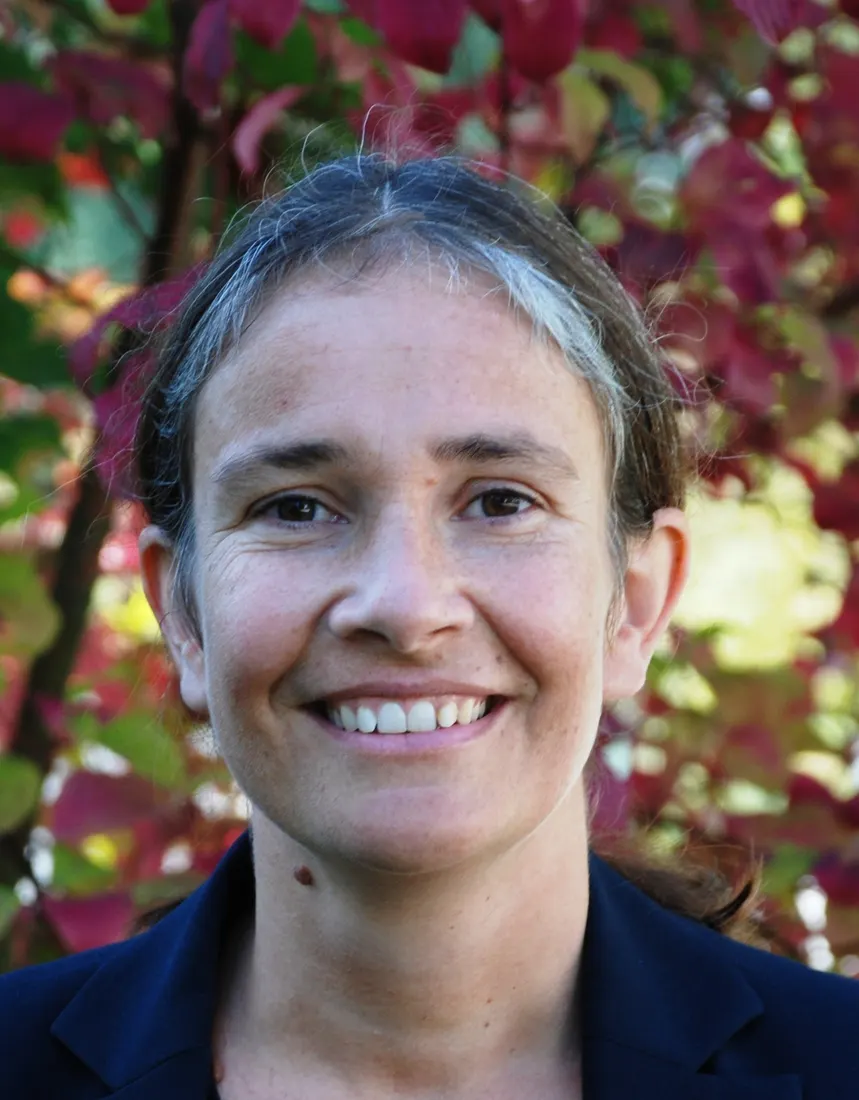
Judith Glück (Photo: Barbara Maier)
References
Levitsky, S., & Ziblatt, D. (2018). How democracies die. New York: Crown Publishing.
Sternberg, R. J. (2019). Why people often prefer wise guys to guys who are wise: An augmented balance theory
of the production and reception of wisdom. In R. J. Sternberg & J. Glück (Eds.), The Cambridge handbookof wisdom (pp. 162–181). Cambridge: Cambridge University Press. doi:10.1017/9781108568272.009
Psychology of Human Thought • Chapter 16 • 321
Glück Wisdom
References
Ardelt, M. (2003). Empirical assessment of a threedimensional wisdom scale. Research on Aging, 25, 275–324. doi:10.1177/0164027503025003004
sonality and Social Psychology, 115(6), 1093–1126. doi:10.1037/pspp0000171
Brown, S. C., & Greene, J. A. (2006). The wisdom de-
Ardelt, M. (2004). Wisdom as expert knowledge system:
velopment scale: Translating the conceptual to the concrete. Journal of College Student Development, 47(1), 1–19. doi:10.1353/csd.2006.0002
A critical review of a contemporary operationalizations of an ancient concept. Human Development, 47, 257–285. doi:10.1159/000079154
Brugman, G. M. (2006). Wisdom and aging. In J. E. Birren & K. W. Schaie (Eds.), Handbook ofthe Psychology of Aging (Sixth Edition) (pp. 445– 476). Burlington, MA: Elsevier Academic Press. doi:10.1016/B978-012101264-9/50023-9
Ardelt, M. (2005). How wise people cope with crises and obstacles in life. ReVision, 28, 7–19. doi:10.3200/REVN.28.1.7-19
Ardelt, M. (2011). The measurement of wisdom: A commentary on Taylor, Bates, and Webster’s comparison of the SAWS and 3D- WS. Experimental Aging Research, 37, 241–255. doi:10.1080/0361073X.2011.554509
Clayton, V. P., & Birren, J. E. (1980). The development
of wisdom across the lifespan: A reexamination of an ancient topic. In P. B. Baltes & O. G. Brim (Eds.), Life-span development and behavior (Vol. 3, pp. 103– 135). San Diego, CA: Academic Press.
Ardelt, M., Pridgen, S., & Nutter-Pridgen, K. L. (2018).
The relation between age and three-dimensional wisdom: variations by wisdom dimensions and education. The Journals of Gerontology Series B: PsychologicalSciences, 73, 1339–1349. doi:10.1093/geronb/gbx182
Ericsson, K. A., Krampe, R. T., & Tesch-Römer, C. (1993).
The role of deliberate practice in the acquisition of expert performance. Psychological Review, 100(3), 363–406. doi:10.1037/0033-295X.100.3.363
Ardelt, M., Pridgen, S., & Nutter-Pridgen, K. L. (2019).
Glück, J. (2015). Wisdom, Psychology of. In Wright,
Wisdom as a personality type. In R. J. Sternberg & J. Glück (Eds.), The Cambridge handbook of wisdom(pp. 144–161). Cambridge: Cambridge University Press. doi:10.1017/9781108568272.008
J. (Ed.), International Encyclopedia of Social andBehavioral Sciences (2nd Edition, Volume 25, p. 590– 597). London: Elsevier. doi:10.1016/B978-0-08- 097086-8.25042-3
Baltes, P. B., & Kunzmann, U. (2004). The two faces
Glück, J. (2018). New developments in psychological
of wisdom: Wisdom as a general theory of knowledge and judgment about excellence in mind and virtue vs. wisdom as everyday realization in people and products. Human Development, 47(5), 290–299. doi:10.1159/000079156
wisdom research: a growing field of increasing importance. Special issue overview. The Journals of Gerontology, Series B: Psychological Sciences, 73, 1335–1338. doi:10.1093/geronb/gby102
Glück, J. (2019). The development of wisdom during adulthood. In R. J. Sternberg & J. Glück (Eds.), The Cambridge handbook of wisdom (pp. 323– 346). Cambridge: Cambridge University Press. doi:10.1017/9781108568272.016
Baltes, P. B., & Smith, J. (1990). Toward a psychology
of wisdom and its ontogenesis. In R. J. Sternberg (Ed.), Wisdom: Its nature, origins, and development(pp. 87–120). Cambridge: Cambridge University Press. doi:10.1017/CBO9781139173704.006
Glück, J. & Baltes, P.B. (2006). Using the concept of wis-
Baltes, P. B., & Staudinger, U. M. (2000). A metaheuris-
dom to enhance the expression of wisdom knowledge: Not the philosopher’s dream, but differential effects of developmental preparedness. Psychology and Aging, 21, 679–690. doi:10.1037/0882-7974.21.4.679
tic (pragmatic) to orchestrate mind and virtue toward excellence. American Psychologist, 55, 122–136. doi:10.1037/0003-066X.55.1.122
Brienza, J. P., Kung, F. Y. H., Santos, H. C., Bobo-
Glück, J. & Bluck, S. (2011). Laypeople’s conceptions of wisdom and its development: Cognitive and integrative views. The Journals of Gerontol-ogy, Series B: Psychological Sciences, 66B, 321–324. doi:10.1093/geronb/gbr011
cel, D. R., & Grossmann, I. (2018). Wisdom, bias, and balance: Toward a process-sensitive measurement of wisdom-related cognition. Journal of Per-
322 • Psychology of Human Thought • Chapter 16
References Glück
Glück, J., & Bluck, S. (2013). The MORE life experience
Series B: Psychological Sciences, 73, 1350–1358. doi:10.1093/geronb/gby002
model: A theory of the development of personal wisdom. In M. Ferrari & N. M. Weststrate (Eds.), Thescientific study of personal wisdom: From contem-plative traditions to neuroscience (pp. 75–97). Dordrecht, Netherlands: Springer. doi:10.1007/978-94- 007-7987-7_4
Jason, L.A., Reichler, A., King, C., Madsen, D., Cama-
cho, J., Marchese, W. (2001). The measurement of wisdom: A preliminary effort. Journal of CommunityPsychology, 29, 585–598. doi:10.1002/jcop.1037
Jeste, D. V., Ardelt, M., Blazer, D., Kraemer, H. C.,
Glück, J., Bluck, S., Baron, J. & McAdams, D.
Vaillant, G., & Meeks, T. W. (2010). Expert consensus on characteristics of wisdom: A Delphi method study. The Gerontologist, 50, 668–680. doi:10.1093/geront/gnq022
(2005). The wisdom of experience: Autobiographical narratives across adulthood. InternationalJournal of Behavioral Development, 29, 197–208. doi:10.1177/01650250444000504
Knight, B. G., & Laidlaw, K. (2009). Translational the-
Glück, J., Bluck, S., & Weststrate, N. M. (in press).
ory: A wisdom-based model for psychological interventions to enhance well-being in later life. In V. L. Bengston, D. Gans, N. M. Pulney, & M. Silverstein (Eds.), Handbook of theories of aging (pp. 693–705). New York, NY: Springer.
More on the MORE Life Experience Model: what we have learned (so far). The Journal of Value Inquiry. doi:10.1007/s10790-018-9661-x
Glück, J., König, S., Naschenweng, K., Redzanowski, U.,
Dorner, L., Strasser, I., & Wiedermann, W. (2013). How to measure wisdom: Content, reliability, and validity of five measures. Frontiers in Psychology, 4, 1–13. doi:10.3389/fpsyg.2013.00405
Koller, I., Levenson, M. R., & Glück, J. (2017). What do
you think you are measuring? A mixed–methods procedure for assessing the content validity of test items and theory–based scaling. Frontiers in Psychology, 8, 126. doi:10.3389/fpsyg.2017.00126
Greene, J. A., & Brown, S. C. (2009). The wisdom de-
velopment scale: Further validity investigations. TheInternational Journal of Aging and Human Develop-ment, 68(4), 289–320. doi:10.2190/AG.68.4.b
König, S. & Glück, J. (2014). “Gratitude is with me all the
time:” How gratitude relates to wisdom. The Journalsof Gerontology, Series B: Psychological Sciences, 69, 655–666. doi:10.1093/geronb/gbt123
Grossmann, I. (2017). Wisdom in context. Perspec-tives on Psychological Science, 12(2), 233–257. doi:10.1177/1745691616672066
Kross, E., & Grossmann, I. (2012). Boosting wisdom: Dis-
tance from the self enhances wise reasoning, attitudes, and behavior. Journal of Experimental Psychology:General, 141, 43–48. doi:10.1037/a0024158
Grossmann, I., & Kross, E. (2014). Exploring Solomon’s
Paradox: Self-distancing eliminates the self-other asymmetry in wise reasoning about close relationships in younger and older adults. Psychological Science, 25(8), 1571–1580. doi:10.1177/0956797614535400
Kunzmann, U., & Baltes, P. B. (2003). Wisdomrelated knowledge: Affective, motivational, and interpersonal correlates. Personality and So-cialPsychologyBulletin, 29(9), 1104–1119. doi:10.1177/0146167203254506
Grossmann, I., Na, J., Varnum, M. E., Kitayama, S.,
& Nisbett, R. E. (2013). A route to well-being: Intelligence versus wise reasoning. Journal of Ex-perimental Psychology: General, 142(3), 944–953. doi:10.1037/a0029560
Kunzmann, U. (2019). Performance-based measures of wisdom: state of the art and future directions. In R. J. Sternberg & J. Glück (Eds.), The Cambridge handbook of wisdom (pp. 277–
Grossmann, I., Na, J., Varnum, M. E., Park, D. C., Ki-
tayama, S., & Nisbett, R. E. (2010). Reasoning about social conflicts improves into old age. Proceedings ofthe National Academy of Sciences, 107, 7246–7250. doi:10.1073/pnas.1001715107
296). Cambridge, UK: Cambridge University Press. doi:10.1017/9781108568272.014
Levenson, M. R., Jennings, P. A., Aldwin, C. M., &
Shiraishi, R. W. (2005). Self-transcendence: Conceptualization and measurement. International Jour-nal of Aging and Human Development, 60, 127–143. doi:10.2190/XRXM-FYRA-7U0X-GRC0
Holliday, S. G. & Chandler, M. J. (1986). Wisdom: Explo-
rations in adult competence. New York: Karger.
Igarashi, H., Levenson, M. R., & Aldwin, C. M.
(2018). The development of wisdom: A social ecological approach. The Journals of Gerontology,
Linden, M., Baumann, K., Lieberei, B., Lorenz, C., &
Rotter, M. (2011). Treatment of posttraumatic em-
Psychology of Human Thought • Chapter 16 • 323
Glück Wisdom
bitterment disorder with cognitive behaviour therapy based on wisdom psychology and hedonia strategies. Psychotherapy and Psychosomatics, 80(4), 199–205. doi:10.1159/000321580
tives (pp. 191–219). New York: Cambridge University Press. doi:10.1017/CBO9780511610486.009
Staudinger, U. M. & Glück, J. (2011). Psychological
wisdom research: Commonalities and differences in a growing field. Annual Review of Psychology, 62, 215–241. doi:10.1146/annurev.psych.121208.131659
Mickler, C., & Staudinger, U. M. (2008). Personal wis-
dom: Validation and age-related differences of a performance measure. Psychology and Aging, 23, 787– 799. doi:10.1037/a0013928
Staudinger, U. M., Lopez, D. F., & Baltes, P. B. (1997).
The psychometric location of wisdom-related performance: Intelligence, personality, and more? Person-ality and Social Psychology Bulletin, 23, 1200–1214. doi:10.1177/01461672972311007
Oakes, H., Brienza, J. P., Elnakouri, A., & Grossmann,
I. (2019). Wise reasoning: Converging evidence for the psychology of sound judgment. In R. J. Sternberg & J. Glück (Eds.), The Cambridge handbook ofwisdom (pp. 202–225). Cambridge, UK: Cambridge University Press. doi:10.1017/9781108568272.011
Sternberg, R. J. (1985). Implicit theories of intelligence,
creativity, and wisdom. Journal of Personality andSocial Psychology, 49, 607–627. doi:10.1037/0022- 3514.49.3.607
Pasupathi, M., Staudinger, U. M., & Baltes, P. B. (2001).
Seeds of wisdom: Adolescents’ knowledge and judgment about difficult life problems. Develop-mental Psychology, 37,351–361. doi:10.1037/0012- 1649.37.3.351
Sternberg, R. J. (1998). A balance theory of wisdom. Review of General Psychology, 2, 347–365. doi:10.1037/1089-2680.2.4.347
Sternberg, R. J. (2001). Why schools should teach for wis-
Paulhus, D. L., Wehr, P., Harms, P. D., & Strasser,
dom: The balance theory of wisdom in educational settings. Educational Psychologist, 36(4), 227–245. doi:10.1207/S15326985EP3604_2
D. I. (2002). Use of exemplar surveys to reveal implicit types of intelligence. Personalityand Social Psychology Bulletin, 28, 1051–1062. doi:10.1177/01461672022811004
Sternberg, R. J. (2005). Foolishness. In R.J. Sternberg & J. Jordan (Eds.), A handbook ofwisdom:Psychological perspectives (pp. 331– 352). Cambridge, UK: Cambridge University Press. doi:10.1017/CBO9780511610486.014
Reznitskaya, A., & Sternberg, R. J. (2004). Teaching
students to make wise judgments: The “teaching for wisdom” program. In P. A. Linley & S. Joseph (Eds.), Positive psychology in practice (pp. 181–196). New York: Wiley. doi:10.1002/9780470939338.ch11
Sternberg, R. J. (2019). Why people often prefer wise guys to guys who are wise: an augmented balance theory of the production and reception of wisdom. In R. J. Sternberg & J. Glück (Eds.), The Cambridge handbook of wisdom (pp. 162– 181). Cambridge, UK: Cambridge University Press. doi:10.1017/9781108568272.009
Staudinger, U. M. (1999). Older and wiser? Integrating results on the relationship between age and wisdom-related performance. InternationalJournal of Behavioral Development, 23, 641–664. doi:10.1080/016502599383739
Staudinger, U. M. (2019). The distinction between personal and general wisdom: How far have we come? In R. J. Sternberg & J. Glück (Eds.), The Cambridge handbook of wisdom (pp. 182–
Sternberg, R. J. & Glück, J. (2019). Wisdom, moral-
ity, and ethics. In R. J. Sternberg & J. Glück (Eds.), The Cambridge handbook of wisdom (pp. 551– 574). Cambridge, UK: Cambridge University Press. doi:10.1017/9781108568272.026
201). Cambridge, UK: Cambridge University Press. doi:10.1017/9781108568272.010
Surowiecki, J. (2005). The wisdom of crowds. New York:
Staudinger, U. M., & Baltes, P. B. (1996). Interactive minds: A facilitative setting for wisdom-related performance?. Journal of Personality and SocialPsychology, 71(4), 746–762. doi:10.1037/0022- 3514.71.4.746
Anchor.
Thomas, S., & Kunzmann, U. (2013). Age Differences in Wisdom-Related Knowledge: Does the Age Relevance of the Task Matter? The Jour-nals of Gerontology:Series B, 69(6), 897–905. doi:10.1093/geronb/gbt076
Staudinger, U. M., Dörner, J., & Mickler, C. (2005). Wis-
dom and personality. In R. J. Sternberg & J. Jordan (Eds.), A handbook of wisdom: Psychological perspec-
324 • Psychology of Human Thought • Chapter 16
References Glück
Webster, J. D. (2003). An exploratory analysis of a self-
Weststrate, N. M., Bluck, S., & Glück, J. (2019). Wis-
assessed wisdom scale. Journal of Adult Development, 10,13–22. doi:10.1023/A:1020782619051
dom of the crowd: Exploring people’s conceptions of wisdom. In R. J. Sternberg & J. Glück (Eds.), The Cambridge handbook of wisdom (pp. 97– 121). Cambridge, UK: Cambridge University Press. doi:10.1017/9781108568272.006
Webster, J. D. (2007). Measuring the character strength of wisdom. The International Journalof Aging and Human Development, 65, 163–183. doi:10.2190/AG.65.2.d
Weststrate, N. M., Ferrari, M., & Ardelt, M. (2016).
Webster, J. D. (2010). Wisdom and positive psychosocial
The many faces of wisdom: An investigation of cultural-historical wisdom exemplars reveals practical, philosophical, and benevolent prototypes. Personal-ity and Social Psychology Bulletin, 42(5), 662–676. doi:10.1177/0146167216638075
values in young adulthood. Journal of Adult Develop-ment, 17, 70–80. doi:10.1007/s10804-009-9081-z
Webster, J. D. (2019). Self-report wisdom measures: strengths, limitations, and future directions. In R. J. Sternberg & J. Glück (Eds.), The Cambridge handbook of wisdom (pp. 297–
Weststrate, N. M., & Glück, J. (2017a). Hardearned wisdom: Exploratory processing of difficult life experience is positively associated with wisdom. Developmental Psychology, 53, 800–814. doi:10.1037/dev0000286
320). Cambridge, UK: Cambridge University Press. doi:10.1017/9781108568272.015
Webster, J. D., Westerhof, G. J., & Bohlmeijer, E. T.
(2014). Wisdom and mental health across the lifespan. Journals of Gerontology, Series B: Psycho-logical Sciences and Social Sciences, 69, 209–218. doi:10.1093/geronb/gbs121
Weststrate, N. M. & Glück, J. (2017b). Wiser but not
sadder, blissful but not ignorant: Exploring the codevelopment of wisdom and well-being over time. In M. D. Robinson & M. Eid (Eds.), The happy mind:cognitive contributions to well-being (pp. 459–480). New York: Springer. doi:10.1007/978-3-319-58763- 9_25
Webster, J. D., Weststrate, N. M., Ferrari, M., Munroe,
M., & Pierce, T. W. (2018). Wisdom and meaning in emerging adulthood. Emerging Adulthood, 6(2), 118–136. doi:10.1177/2167696817707662
Yang, S. Y. (2008). A process view of wisdom. Journal
of Adult Development, 15(2), 62–75. doi:10.1007/ s10804-008-9037-8
Psychology of Human Thought • Chapter 16 • 325
Glück Glossary
Glossary
Berlin wisdom paradigm The Berlin wisdom
of them have in common is that they dedicated their lives to a cause that benefited many people and changed the world by peaceful means. 308
paradigm was the first empirical approach to measuring wisdom. It is based on a conception of wisdom as expertise about the fundamental questions of human life. Participants are presented with brief descriptions of difficult life problems. Their responses are transcribed and rated with respect to five wisdom criteria: factual knowledge, procedural knowledge, value relativism and tolerance, life-span contextualism, and recognition and management of uncertainty. 311
intervention Psychological interventions are things that psychologists do to make people change their behavior. Usually, experiments are used to test whether an intervention has an effect: people are randomly assigned to an experimental group and a control group. The experimental group is treated with the intervention. Afterwards, the respective behavior is measured in both groups. If the control group shows more (or less) of the behavior that the intervention was supposed to foster (or reduce), the intervention is considered effective. Effective interventions to foster wisdom include asking people to imagine that they discuss a problem with someone else (Staudinger & Baltes, 1996) or that the problem concerns someone else (Grossmann & Kross, 2014). Generally, wisdom is fostered by interventions that help people to mentally distance themselves from the problem and take different perspectives into account.. 315
construct In psychological theories, (hypothetical)
constructs are characteristics of people that cannot be directly observed, but that are assumed to influence people’s behavior. For example, intelligence, depression, or wisdom are used to explain why people do certain things in certain situations, but we cannot directly observe a person’s intelligence, depression or wisdom. Psychologists try to develop elaborate definitions of constructs, like the definitions of wisdom discussed in this chapter, and to use these definitions to devise methods to measure the respective construct. 309
measure(ment) As psychologists try to test their
exemplar Wisdom exemplars are individuals whom many people consider as extremely wise. In studies that asked participants to name particularly wise persons, certain names came up very often, including Mahatma Gandhi, Jesus Christ, Martin Luther King, or Mother Teresa (Paulhus, Wehr, Harms, & Strasser, 2002; Weststrate, Ferrari, & Ardelt, 2016). There are different types of wisdom exemplars, but one important thing that most
theories through empirical studies, they need to be able to measure the constructs that their theories refer to. To test, for example, a theory of how wisdom develops, we need to be able to measure wisdom. By “measuring”, we generally mean a method that describes a person’s level of the respective construct by a number. Intelligence tests, for example, are a method to quantify a person’s level of intelligence. 309
326 • Psychology of Human Thought • Chapter 16